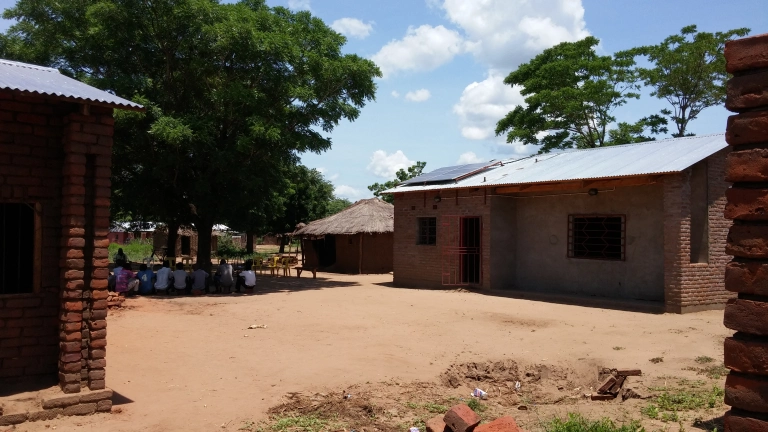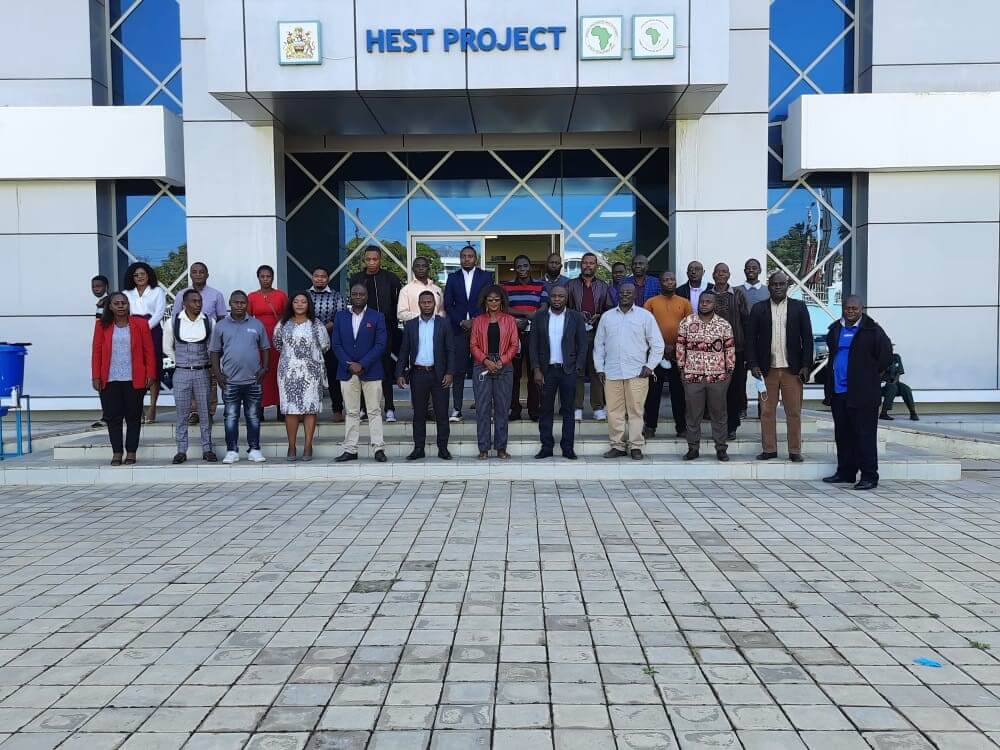
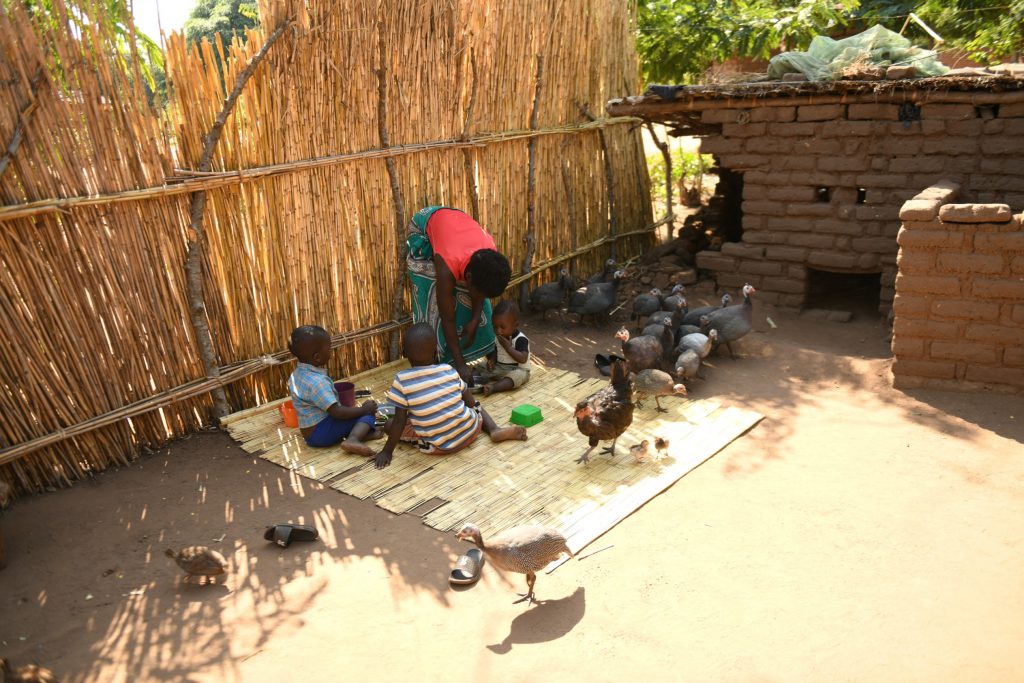
The Drivers of Resistance in Uganda and Malawi (DRUM) Project used a One Health approach to understand how WASH practices and antimicrobial usage in the home, around animals, and in the wider environment contribute to the spread of antibiotic resistance in bacteria.
WASHTED, in collaboration with the Malawi Liverpool Wellcome Trust (MLW) and led by the Liverpool School of Tropical Medicine, conducted the DRUM study in Malawi. The DRUM consortium investigated how WASH practices and antimicrobial usage in households, around animals, and in wider community environments contribute to the spread of antibiotic resistance in urban, peri-urban, and rural areas of Uganda and Malawi.
About the Project
Drivers of Resistance in Uganda and Malawi (DRUM)
Research Project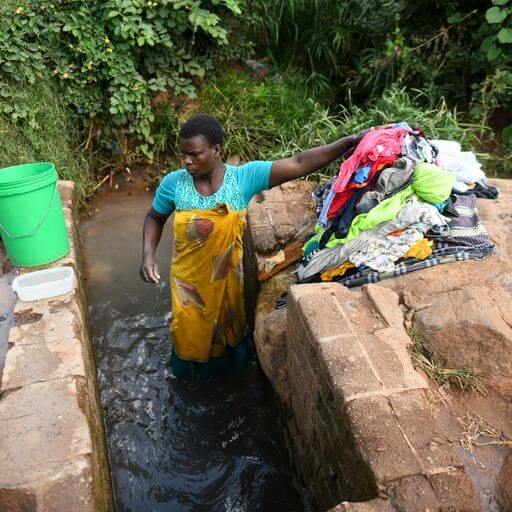
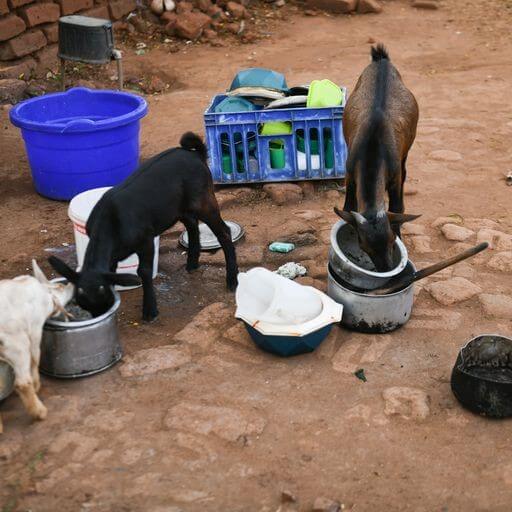
The DRUM consortium used a One Health approach to understand how WASH practices and antimicrobial usage in the home, around animals, and in the wider environment contribute to the spread of antibiotic resistance in bacteria.
The research was conducted across urban, peri-urban, and rural settings, recognising that people, animals, water, sanitation and the wider environment are interconnected pathways through which antimicrobial resistance can emerge and spread.
WASHTED's Role
WASHTED served as a key partner in the Malawi coordinating team, contributing to the local adaptation of case report forms and laboratory standard operating procedures. The centre coordinated household recruitment, follow-ups, and data collection in Malawi.
In Malawi, the study was conducted in Ndirande, Chileka, and Chikwawa.
Research Approach
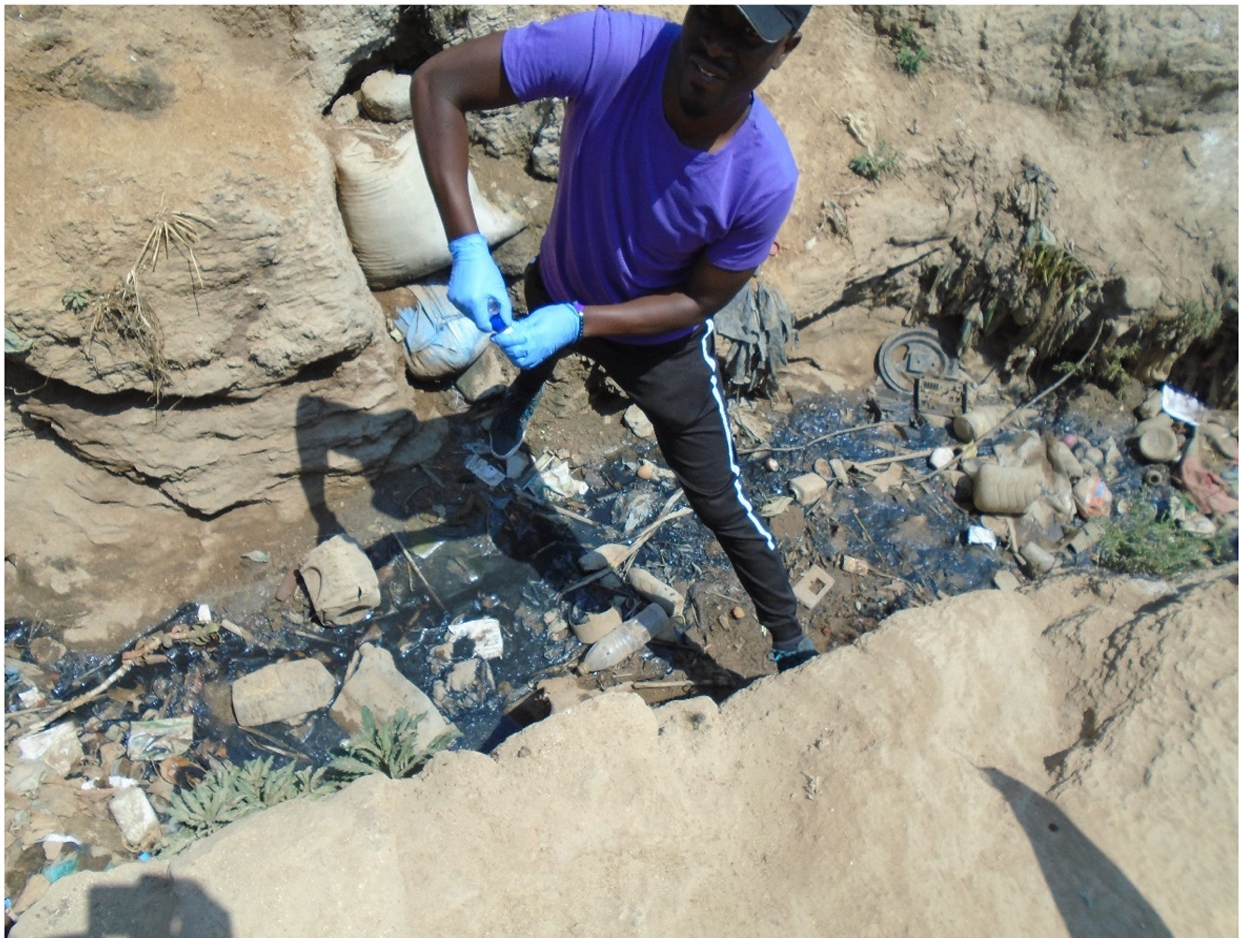
Using both qualitative and quantitative methods, the study worked hand-in-hand with microbiological surveillance to examine potential pathways for faecal-oral transmission of ESBL E. coli and ESBL K. pneumoniae.
The research investigated WASH infrastructure, current WASH practices, and the drivers of these practices. The study examined WASH practices as contributors to antibiotic resistance, recognising that antibiotic resistance elements have been found in water, faeces, and wastewater in low-income countries.
Key Findings and Impact
Research findings revealed that community environments are likely to be a crucial component in AMR transmission, with an abundance of ESBL bacteria identified in identified exposure pathways.
The study highlighted that poor sanitation infrastructure and practices, coupled with seasonal dynamics, further affect the presence of ESBLs in communal environments.
Key Research Insights
- Community environments can provide important pathways for antimicrobial resistance transmission.
- Poor sanitation infrastructure and WASH practices can contribute to environmental contamination.
- ESBL-producing bacteria were identified across important environmental exposure pathways.
- Seasonal dynamics influence the presence of ESBLs in communal environments.
- A One Health perspective is important for understanding the interaction between people, animals and environmental pathways.
Publications of Research Outputs
- Cocker, D., Sammarro, M., Chidziwisano, K., et al. (2023). Drivers of Resistance in Uganda and Malawi (DRUM): A protocol for the evaluation of One-Health drivers of Extended Spectrum Beta Lactamase (ESBL) resistance in Low-Middle Income Countries (LMICs).
- Cocker, D., Chidziwisano, K., Mphasa, M., et al. (2023). Investigating One Health risks for human colonisation with extended spectrum β-lactamase-producing Escherichia coli and Klebsiella pneumoniae in Malawian households: A longitudinal cohort study.
- Cocker, D., Mwapasa, T., Grabic, R., Grabicová, K., et al. (2025). Environmental hazards from pollution of antibiotics and resistance-driving chemicals in an urban river network from Malawi.
- Chidziwisano, K., et al. (2025). Risk perception and psychosocial factors influencing exposure to antimicrobial resistance through environmental pathways in Malawi.
- Mwapasa, T., et al. (2024). Key environmental exposure pathways to antimicrobial resistant bacteria in southern Malawi: A SaniPath approach.
- Sammarro, M., et al. (2023). Risk factors, temporal dependence, and seasonality of human extended-spectrum β-lactamases-producing Escherichia coli and Klebsiella pneumoniae colonization in Malawi: A longitudinal model-based approach.