Projects

Strengthening Guardian Waiting Shelters in Malawi’s Health System​

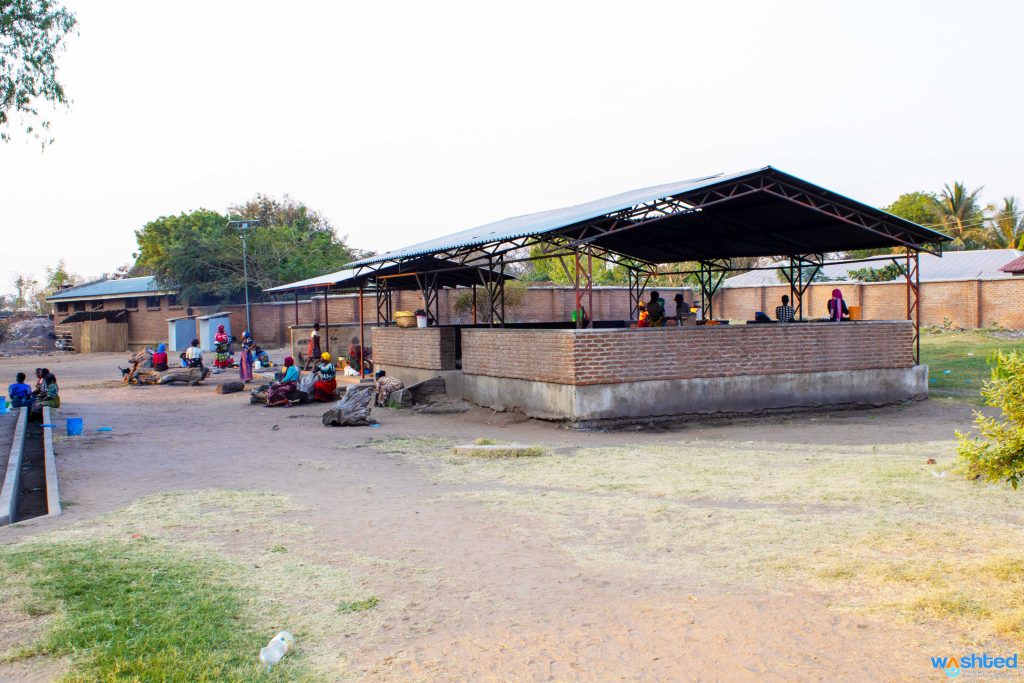
Guardian Waiting Shelters (GWS) Research Programme Guardian Waiting Shelters (GWS) provide temporary accommodation for family members who support hospitalised patients with feeding, hygiene care, emotional support, and other daily needs. In some health facilities, GWS also accommodate expectant mothers awaiting delivery. Despite their essential role in patient care, GWS remain largely absent from health policies, […]

Strengthening Guardian Waiting Shelters in Malawi’s Health System​ Read More »

The Reckitt Global Hygiene Institute’s Early Childhood Development Research Project

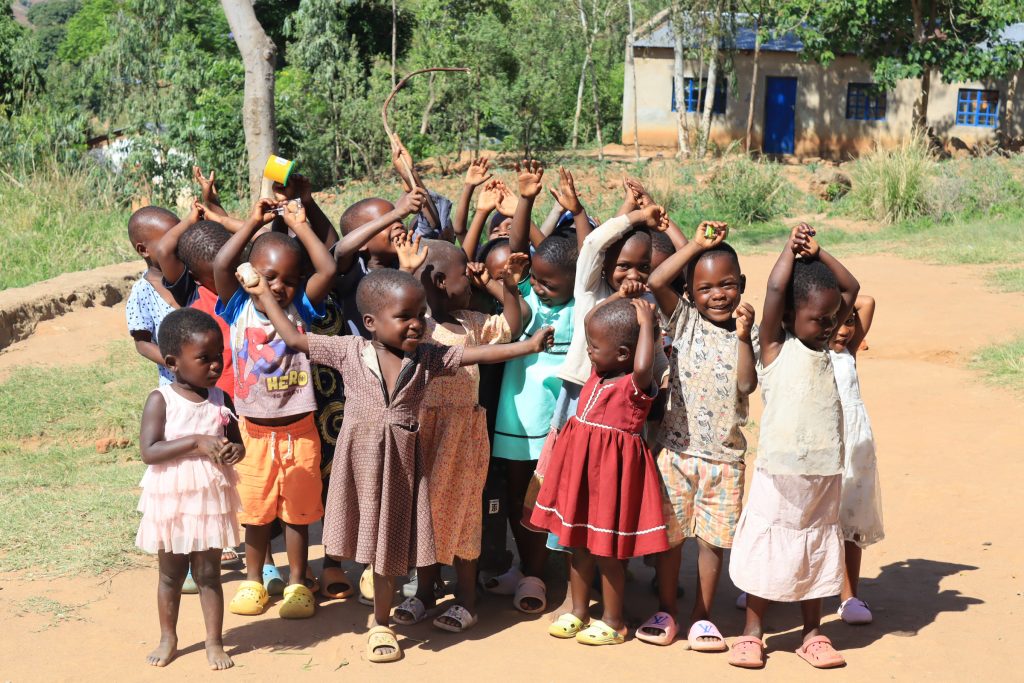
The Reckitt Global Hygiene Institute’s Early Childhood Development (ECD) Project The Reckitt Global Hygiene Institute’s (RGHI) Early Childhood Development (ECD) project is a multi-phase study (2024–2026) aimed at generating evidence to inform the design of targeted hygiene interventions in Early Childhood Development Centres (ECDCs) in Blantyre District, Malawi. With funding from the RGHI, the project

The Reckitt Global Hygiene Institute’s Early Childhood Development Research Project Read More »

The WASH for Everyone (W4E) project: Testing alternative approaches to sanitation and hygiene behaviour change in Chiradzulu, Malawi.

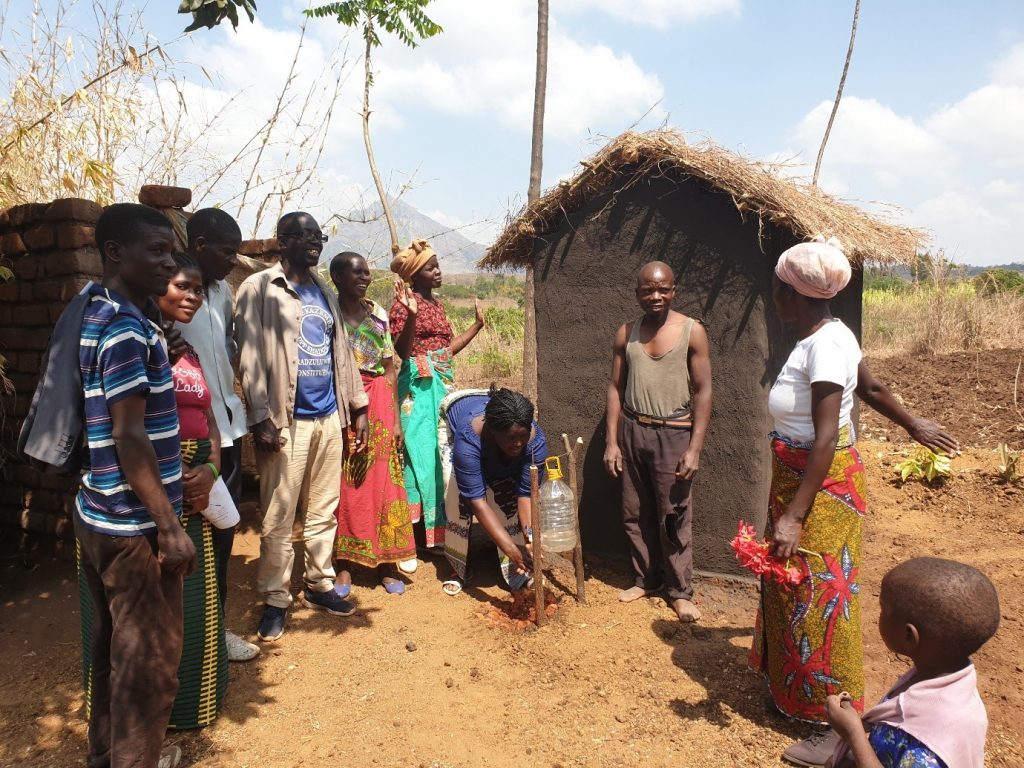
Poor sanitation and hygiene are an enduring public health challenge in Malawi. In most rural communities including Chiradzulu district, the coverage of sanitation facilities is very low with some people still practicing open defaecation. The Malawi government like other developing countries uses the Community-Led Total Sanitation (CLTS), an approach that requires active community participation to

The WASH for Everyone (W4E) project: Testing alternative approaches to sanitation and hygiene behaviour change in Chiradzulu, Malawi. Read More »

USAID Advancing Nutrition: Learning with Care Groups through Participatory Research in Malawi

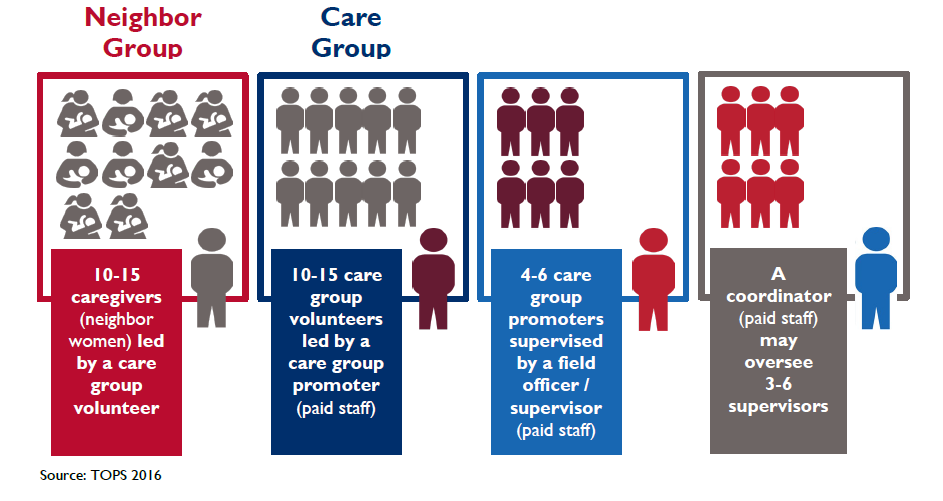
Participatory Research to Improve the Quality of Peer Support Groups in Malawi Background USAID Advancing Nutrition collaborated with Akule ndi Thanzi, a USAID Malawi-funded nutrition project and WASHTED at the Malawi University of Business and Applied Sciences (MUBAS) to conduct participatory, user-cantered research aimed at improving the quality of peer support groups in Malawi. The

USAID Advancing Nutrition: Learning with Care Groups through Participatory Research in Malawi Read More »

The Hygiene Hub: Theory-Driven School Hand Hygiene and Sanitation  Program in Chikwawa District

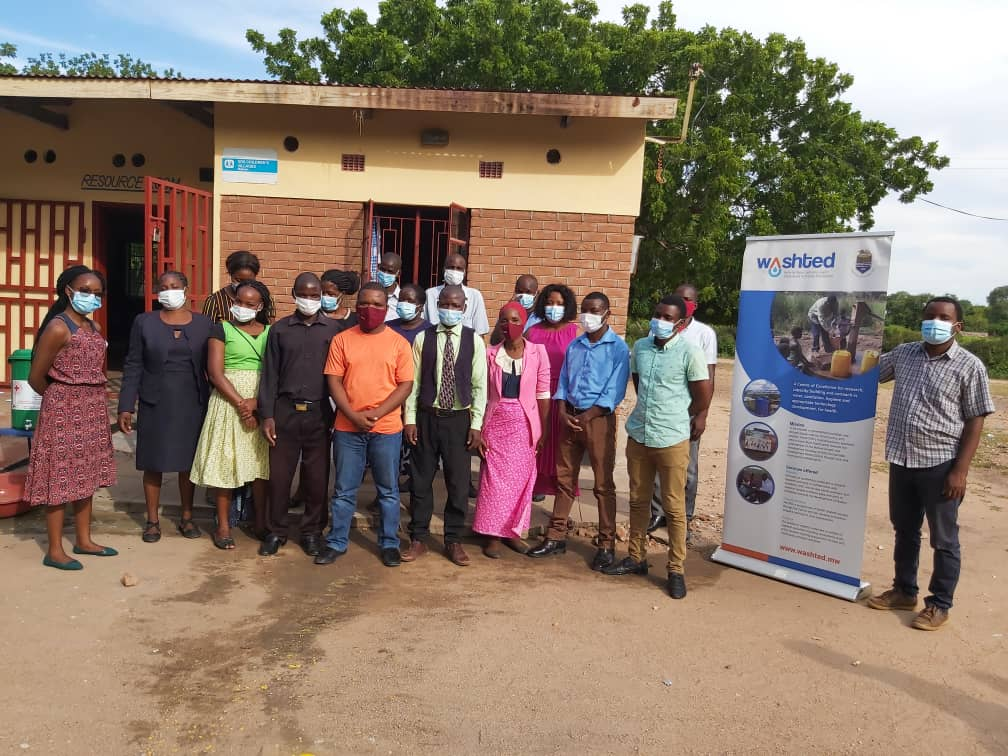
The Hygiene Hub: Theory-Driven School Hand Hygiene and Sanitation Program in Chikwawa District The Hygiene Hub is a theory-driven school hand hygiene and sanitation programme implemented in primary schools in Chikwawa District, Malawi. The project aimed to promote hand hygiene and sanitation through a theory-driven WASH behaviour change intervention. During the COVID-19 pandemic, Malawi invested

The Hygiene Hub: Theory-Driven School Hand Hygiene and Sanitation  Program in Chikwawa District Read More »

NIHR Global Health Research Group on Adolescent Health and Wellbeing in Malawi

NIHR Global Health Research Group on Adolescent Health and Wellbeing in Malawi With funding from the National Institute for Health and Care Research (NIHR), researchers from the University of Strathclyde, Kamuzu University of Health Sciences (KUHeS), and Malawi University of Business and Applied Sciences (MUBAS) through Centre for Water Sanitation, Hygiene and Technology Development (WASHTED)

NIHR Global Health Research Group on Adolescent Health and Wellbeing in Malawi Read More »

Sustainable Plastic Attitudes to benefit Communities and their Environments (SPACES)

Sustainable Plastic Attitudes to benefit Communities and their Environments (SPACES) Discarded plastic in the peri-urban environment is a serious challenge for sustainable waste management and for the delivery of environmental & public health. In many cities in sub-Saharan Africa including Malawi, plastic wastes, and plastic bags in particular, contribute to blockage of waterways, provide a

Sustainable Plastic Attitudes to benefit Communities and their Environments (SPACES) Read More »

Improving Hygiene in Guardian Waiting Shelters and Communities in Malawi: an intervention development and feasibility study

In Malawi, Guardian Waiting Shelters (GWS) serve as homes for the guardians while they take care of their patients at the hospital or as homes for pregnant waiting mothers and their guardians, and in other scenarios, a combination of pregnant waiting mothers and their guardians and other guardians from the general wards. However, most GWS

Improving Hygiene in Guardian Waiting Shelters and Communities in Malawi: an intervention development and feasibility study Read More »

Safewater Translate

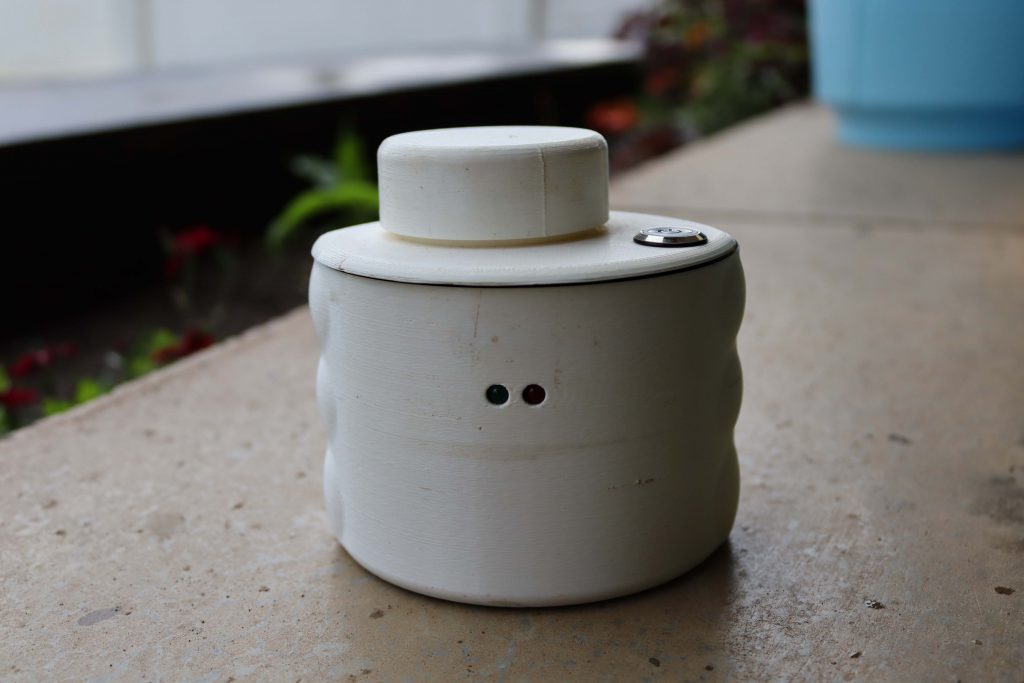
The Safewater Translate Studies have shown that not all water sources classified as “improved” produce water that is free from faecal contamination, the case is worse for unimproved sources. To ascertain that water is safe, tests need to be done. Water quality tests that are easy, faster to use and cheap are being advocated for

Safewater Translate Read More »

Examining Sanitation for Urban Inclusion, Transformation and Equity (SUITE) project

Examining Sanitation for Urban Inclusion, Transformation and Equity (SUITE) Project The current worldwide problems in urban sanitation call for transdisciplinary, multisectoral, and multi-solution approaches to achieve inclusive and sustainable urban sanitation. Challenges arise when different stakeholders hold varying interpretations of “inclusion” and “sustainability” within sanitation frameworks such as Citywide Inclusive Sanitation (CWIS). To establish a

Examining Sanitation for Urban Inclusion, Transformation and Equity (SUITE) project Read More »