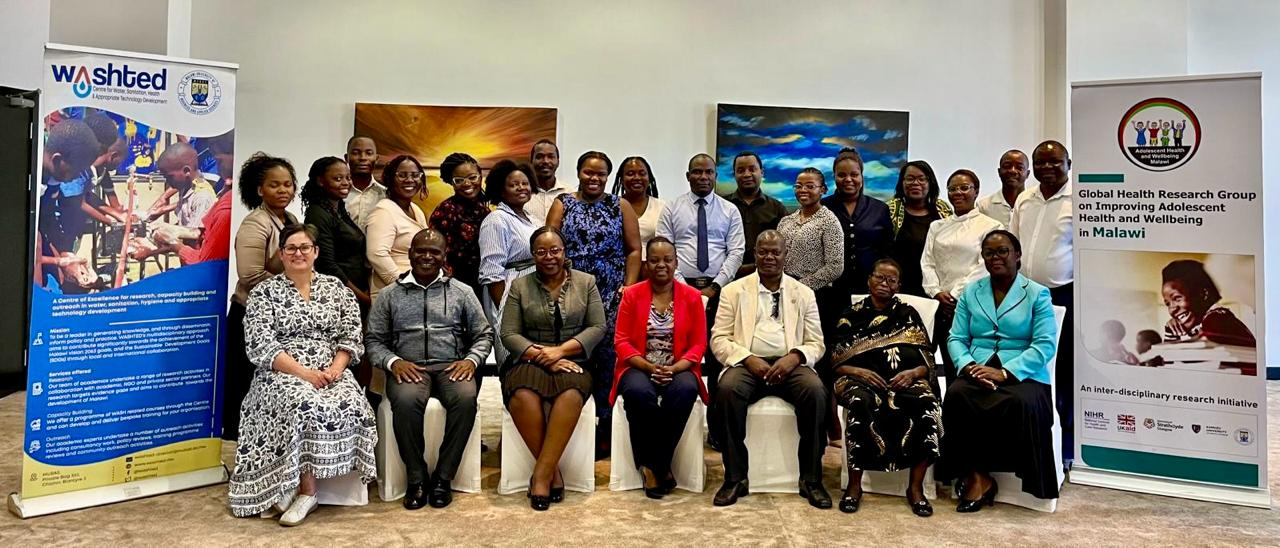
With funding from the National Institute for Health and Care Research (NIHR), researchers from the University of Strathclyde, Kamuzu University of Health Sciences (KUHeS), and Malawi University of Business and Applied Sciences (MUBAS) through Centre for Water Sanitation, Hygiene and Technology Development (WASHTED) are conducting research aiming at improving adolescent health and well-being in Malawi.
Recognizing that adolescent health and wellbeing are influenced by factors operating across multiple levels of the socio-ecological system, including individual, interpersonal, community, institutional and policy levels; this research project focuses on Water, Sanitation, Hygiene and Adolescents (WS4), Sexual and Reproductive Health Rights and Adolescents (WS5), and Inspiring Adolescent Wellbeing (WS6), supported by the Longitudinal Observatory (WS3), Policy and Economic Frameworks (WS2), and Capacity Strengthening and Training(WS1). Together, these interconnected workstreams seek to understand the range of factors influencing adolescent health and wellbeing, generate evidence on adolescents’ experiences and needs, develop and test responsive interventions, strengthen the capacity of researchers and stakeholders, and facilitate the translation of evidence into policy and practice. The project is being implemented from July 2022 to March 2027.
Young People at the Centre of the Research
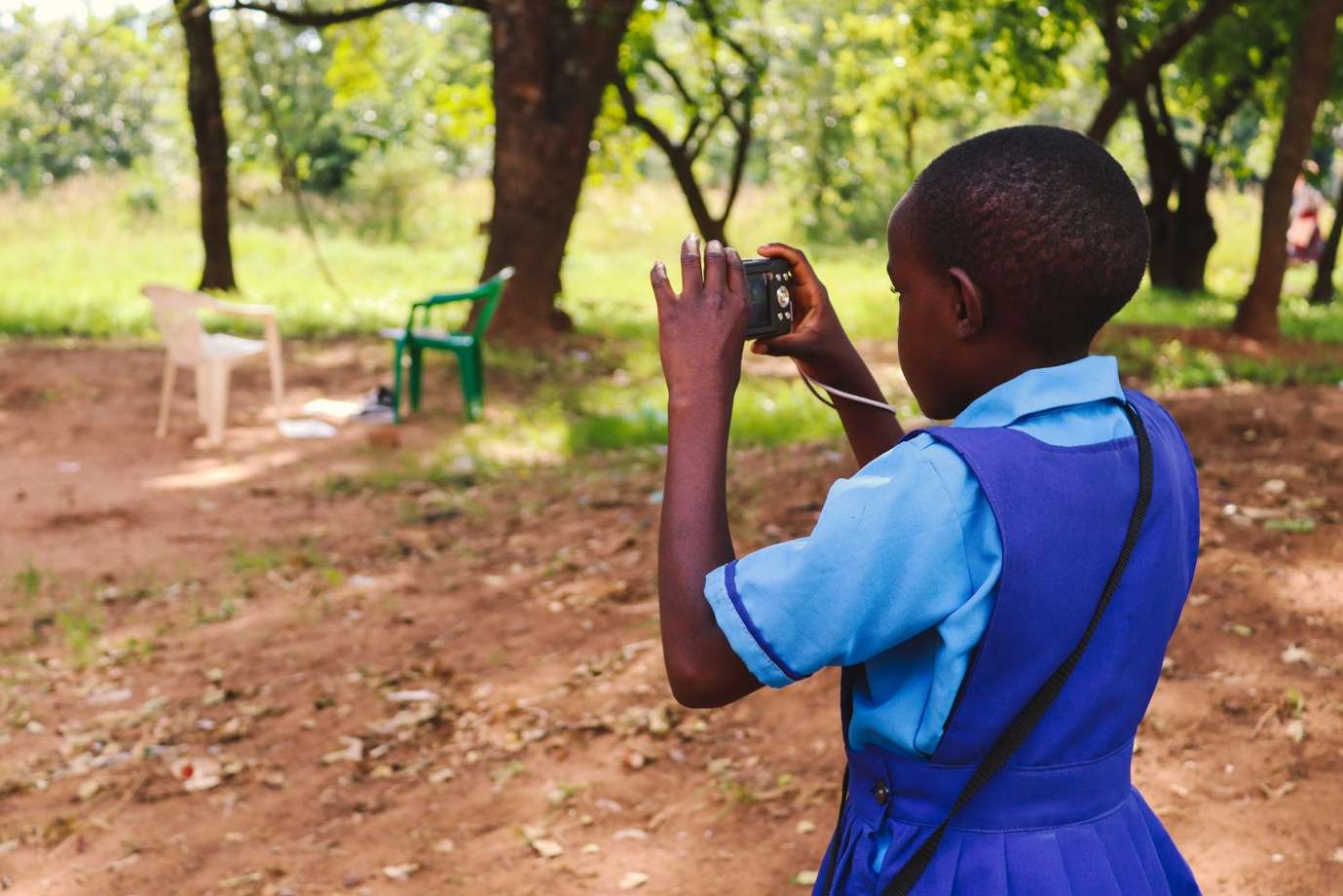
This research project places the participation of young people at the centre of the research process, moving them from being research participants to active partners. Adolescents from both urban (Blantyre) and rural (Mchinji) settings are engaged across all stages of the research, from understanding their experiences, needs, and challenges to working closely with parents, teachers, community leaders, policymakers, and other key stakeholders to co-create, test, and evaluate innovative and contextually appropriate approaches to address the challenges identified. Young people are also supported to share and communicate the research findings in ways that are meaningful and accessible to their peers, communities, and other stakeholders, ensuring that their voices and perspectives contribute to both research and decision-making.
The WASHTED Centre
The WASHTED Centre is leading the research workstream focused on understanding and addressing WASH challenges among adolescents. Through a phased approach involving formative research, co-design, Trials of Improved Practices (TIPs), and feasibility testing, the workstream aims to generate practical evidence on interventions that can improve sanitation and hygiene practices and contribute to healthier, safer, and more supportive school environments for adolescents.
Project Phases
Phase 1: Formative research; understanding WASH challenges
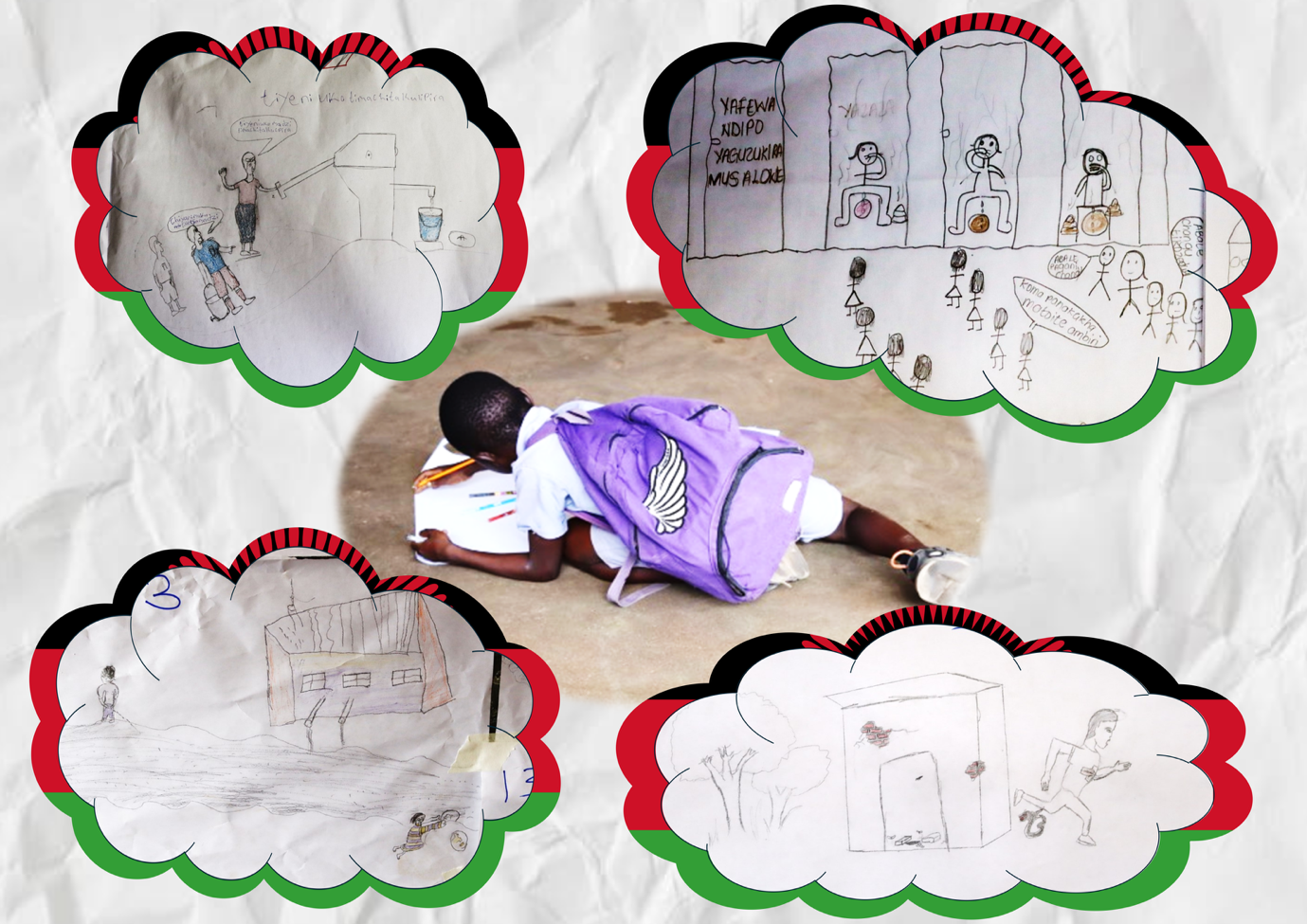
During the formative phase, we engaged adolescents, teachers, parents and other key stakeholders to identify WASH challenges affecting adolescents in schools and explore the factors contributing to these practices. The formative research identified several priority WASH challenges among in school adolescents, including:
- Low handwashing with soap
- Smearing of faeces on toilet walls
- Open defecation and poor toilet-use practices
- Bullying related to menstrual hygiene management (MHM)
- Low use of toilet drop-hole covers
- Poor waste disposal practices
These findings provided the foundation for developing interventions that respond to the realities and needs of adolescents in different settings.
Phase 2: Co-design: developing solutions together
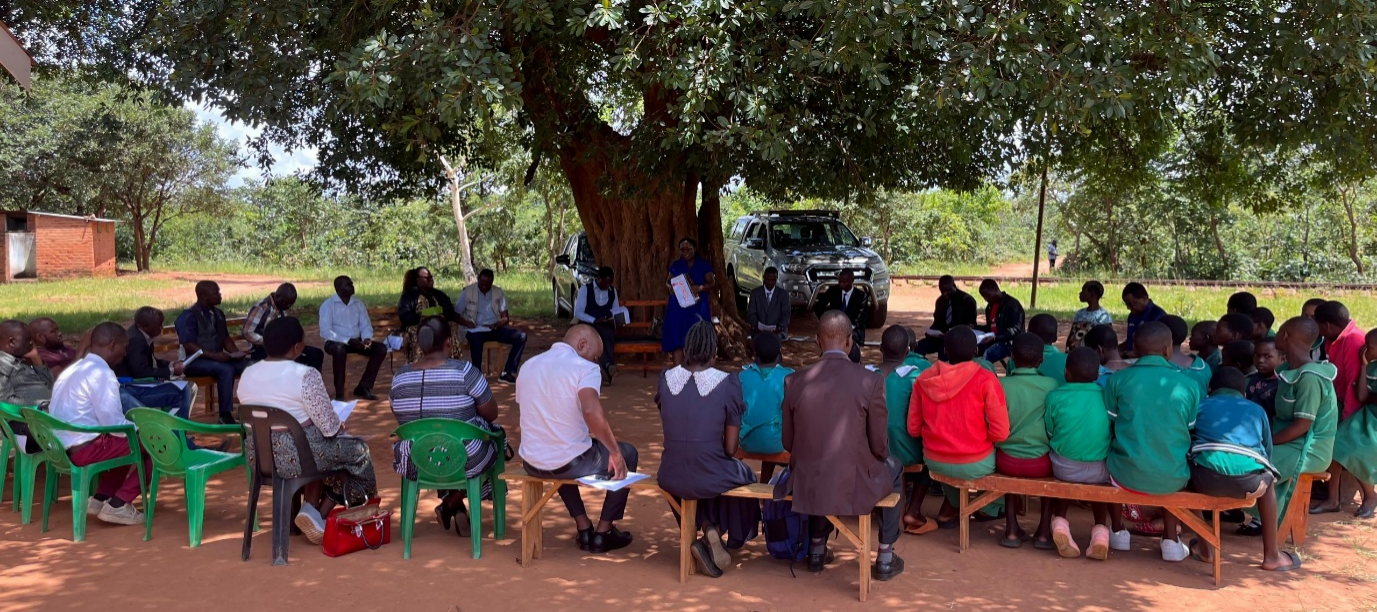
The formative findings were followed by co-design workshops in Blantyre and Mchinji, bringing together adolescents, teachers, parents and other stakeholders to discuss and prioritise the WASH challenges they considered most important to address. Priorities differed between the two settings:
Mchinji: Hand hygiene was prioritised, with stakeholders proposing locally relevant solutions to improve handwashing practices in schools.
Blantyre: Smearing of faeces on toilet walls and open defecation were prioritised, with stakeholders developing potential solutions to promote appropriate toilet use and improve toilet cleanliness.
The co-design process ensured that the proposed interventions were locally relevant, acceptable, and informed by the experiences of those who would use and implement them.
Phase 3: Trials of Improved Practices (TIPs): Refining the Interventions
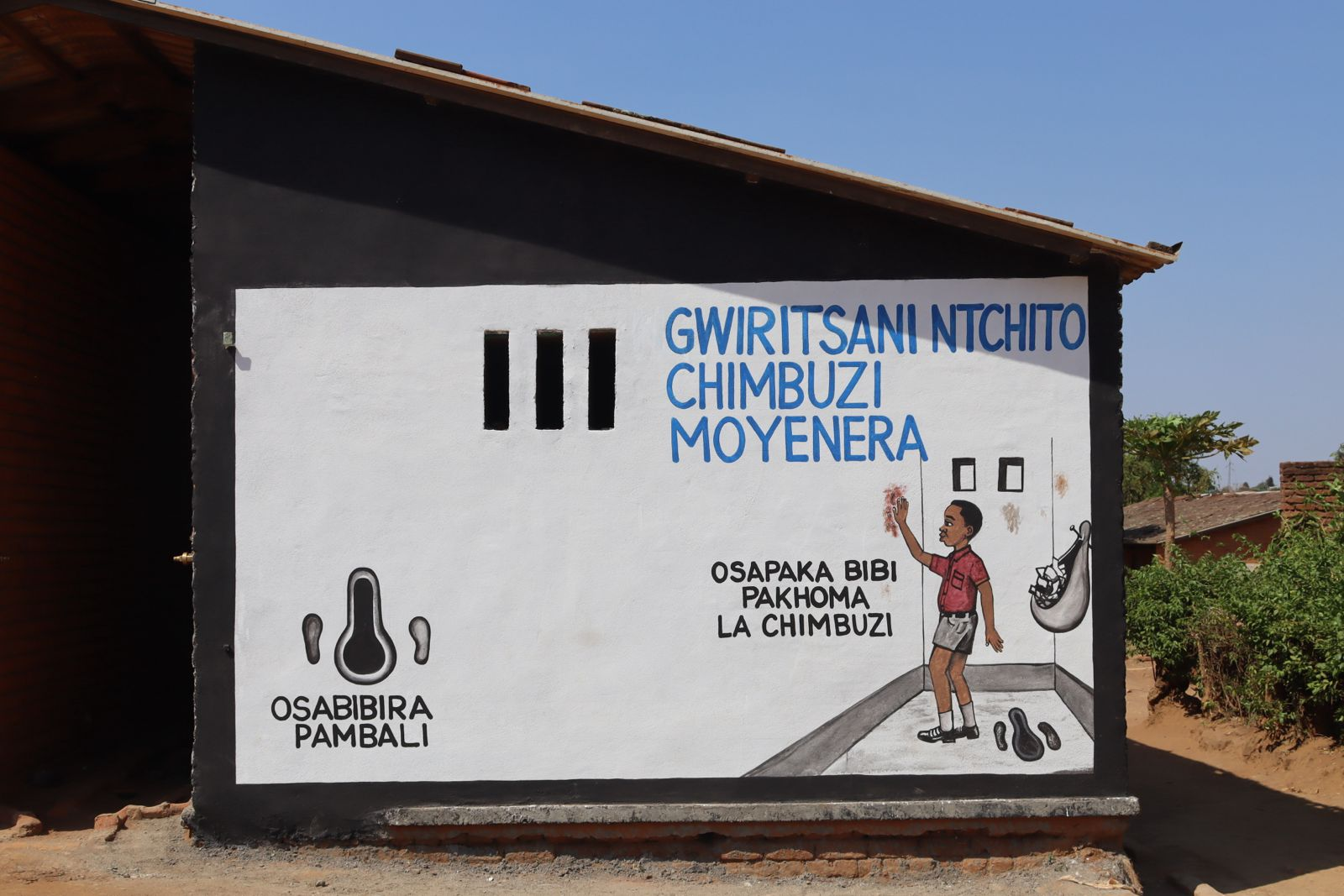
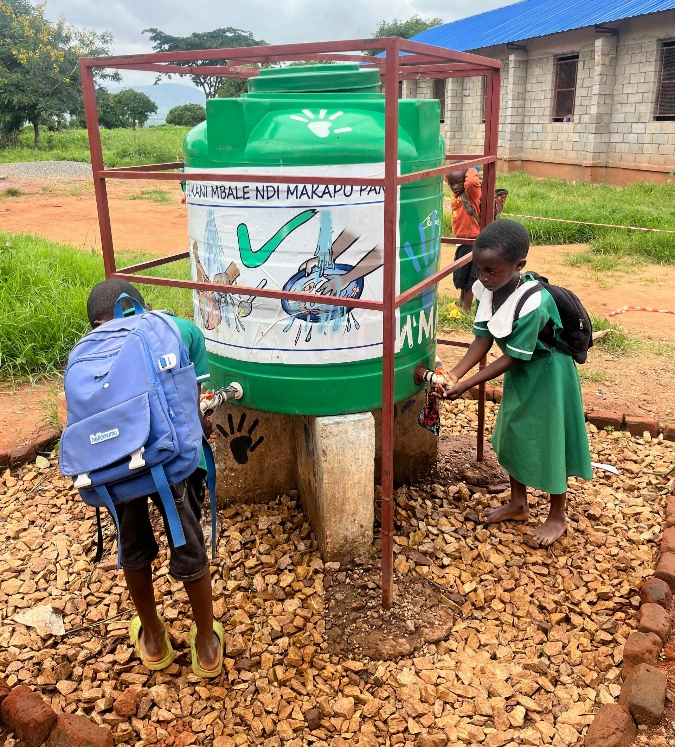
The co-designed solutions were then tested through Trials of Improved Practices (TIPs). In Blantyre, a sanitation intervention was implemented to address smearing of faeces on toilet walls and open defecation. In Mchinji, a hand hygiene intervention was implemented to address poor handwashing practices in schools.
The TIPs provided an opportunity to test the interventions in real school settings, learn what worked and what needed improvement, and gather feedback from learners, teachers, and other stakeholders. Findings from the TIPs were used to refine and strengthen the intervention packages in preparation for the feasibility study.
Phase 4: Feasibility Study: Testing the Intervention Packages
The project is now preparing for the feasibility study, which will assess the practicality, acceptability, and implementation of the refined intervention packages in school settings. Baseline data have already been collected, providing a foundation for evaluating changes following the intervention. Implementation of the feasibility study is scheduled to begin in September 2026, generating important evidence on how the interventions can be effectively delivered, implemented, and evaluated in preparation for potential wider-scale implementation.
For recent updates and progress on the project like our Facebook page: Facebook page