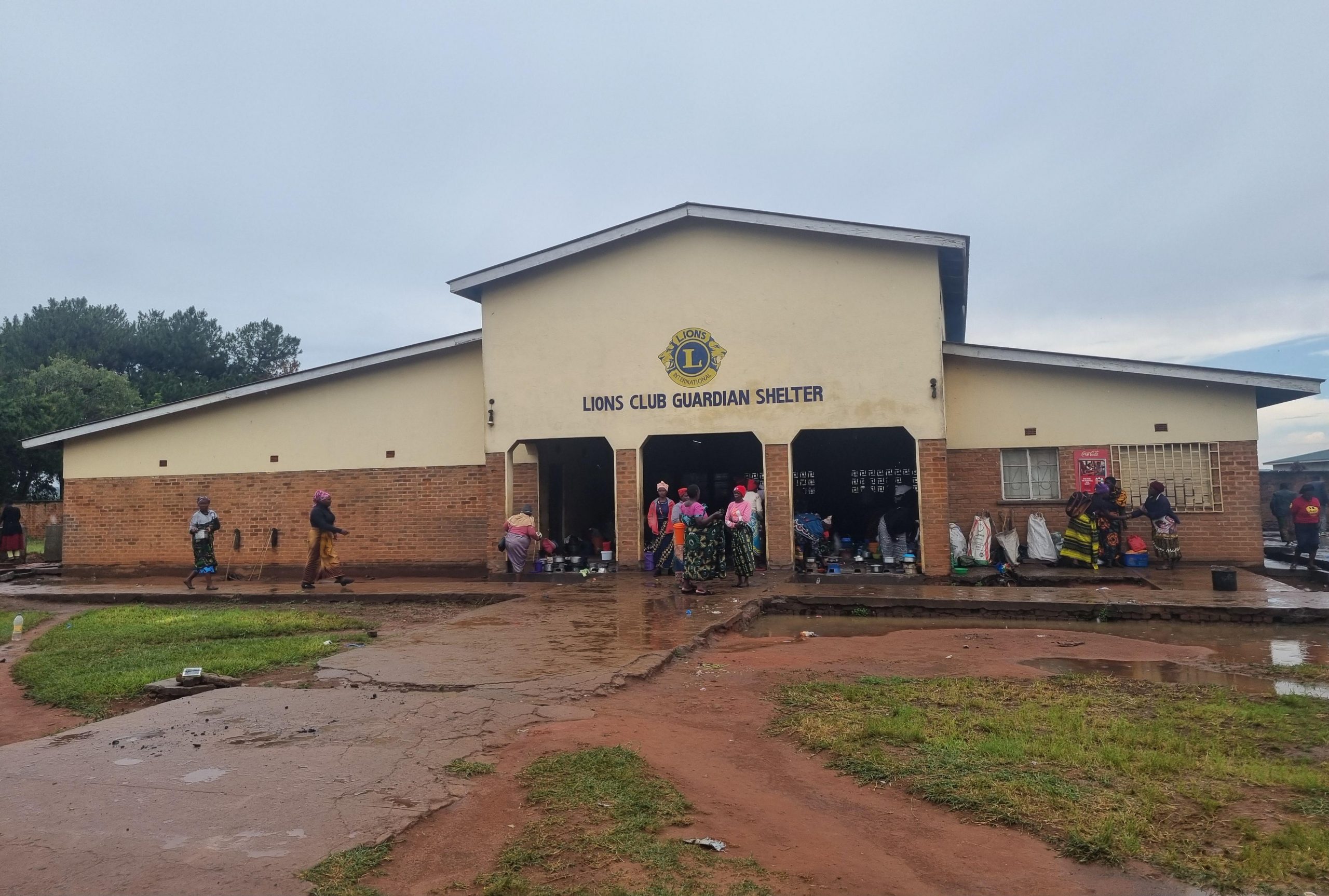
Guardian Waiting Shelters (GWS) provide temporary accommodation for family members who support hospitalised patients with feeding, hygiene care, emotional support, and other daily needs. In some health facilities, GWS also accommodate expectant mothers awaiting delivery. Despite their essential role in patient care, GWS remain largely absent from health policies, standards and research.
The GWS Research Programme is led by the WASHTED Centre at the Malawi University of Business and Applied Sciences (MUBAS) in collaboration with the University of Strathclyde and the London School of Hygiene & Tropical Medicine (LSHTM). The programme has evolved from generating foundational evidence in Southern Malawi to conducting national research that informs policy, standards, and health-system strengthening.
GWS Research Programme
Phase 1: Improving Hygiene in Guardian Waiting Shelters and Communities in Malawi
Completed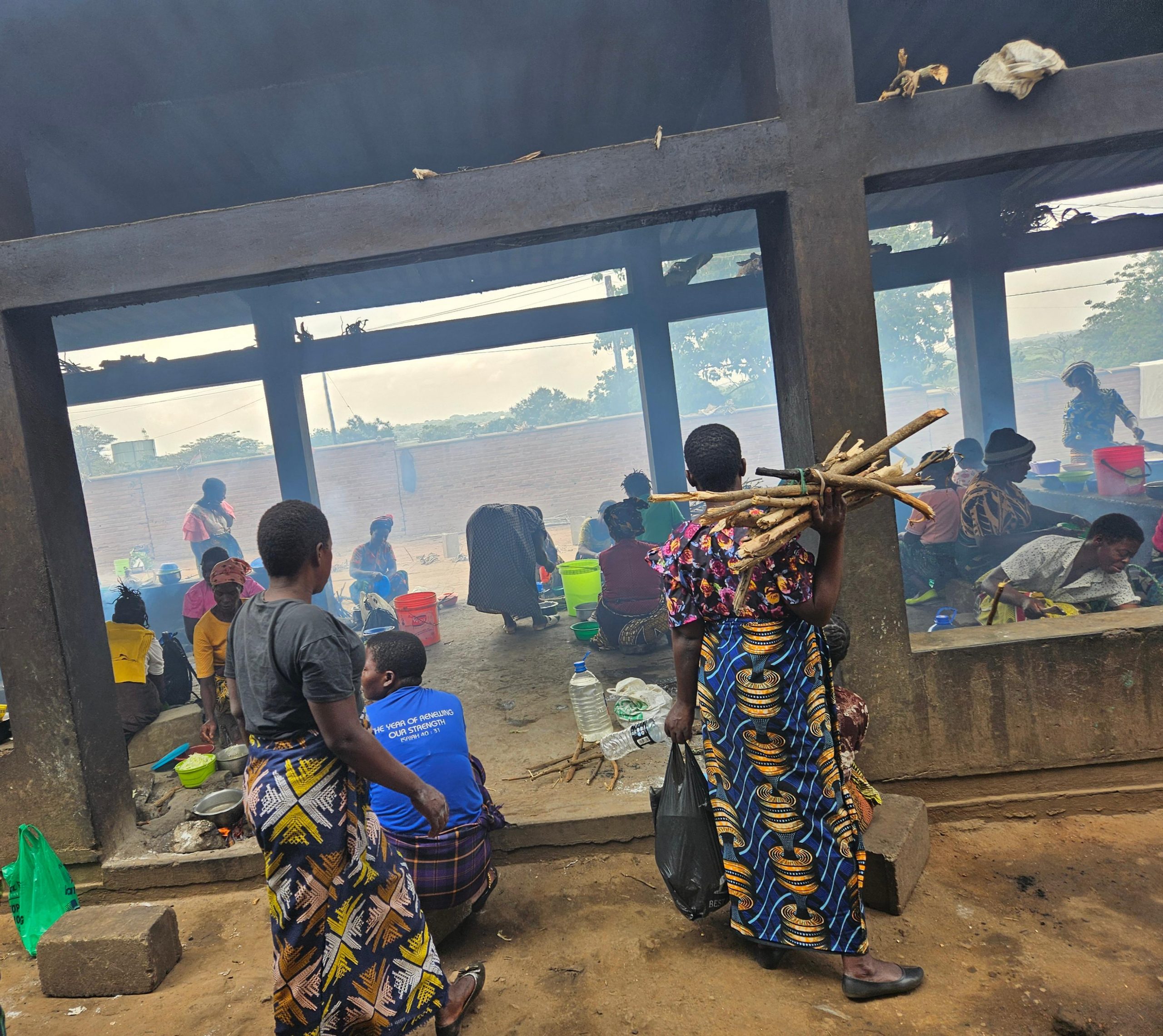
Phase 1 generated foundational evidence on the infrastructure, management and hygiene conditions of GWS and explored hygiene practices among guardians during hospital stays and after returning to their communities.
Research Component 1: Assessment of Guardian Waiting Shelters in Southern Malawi
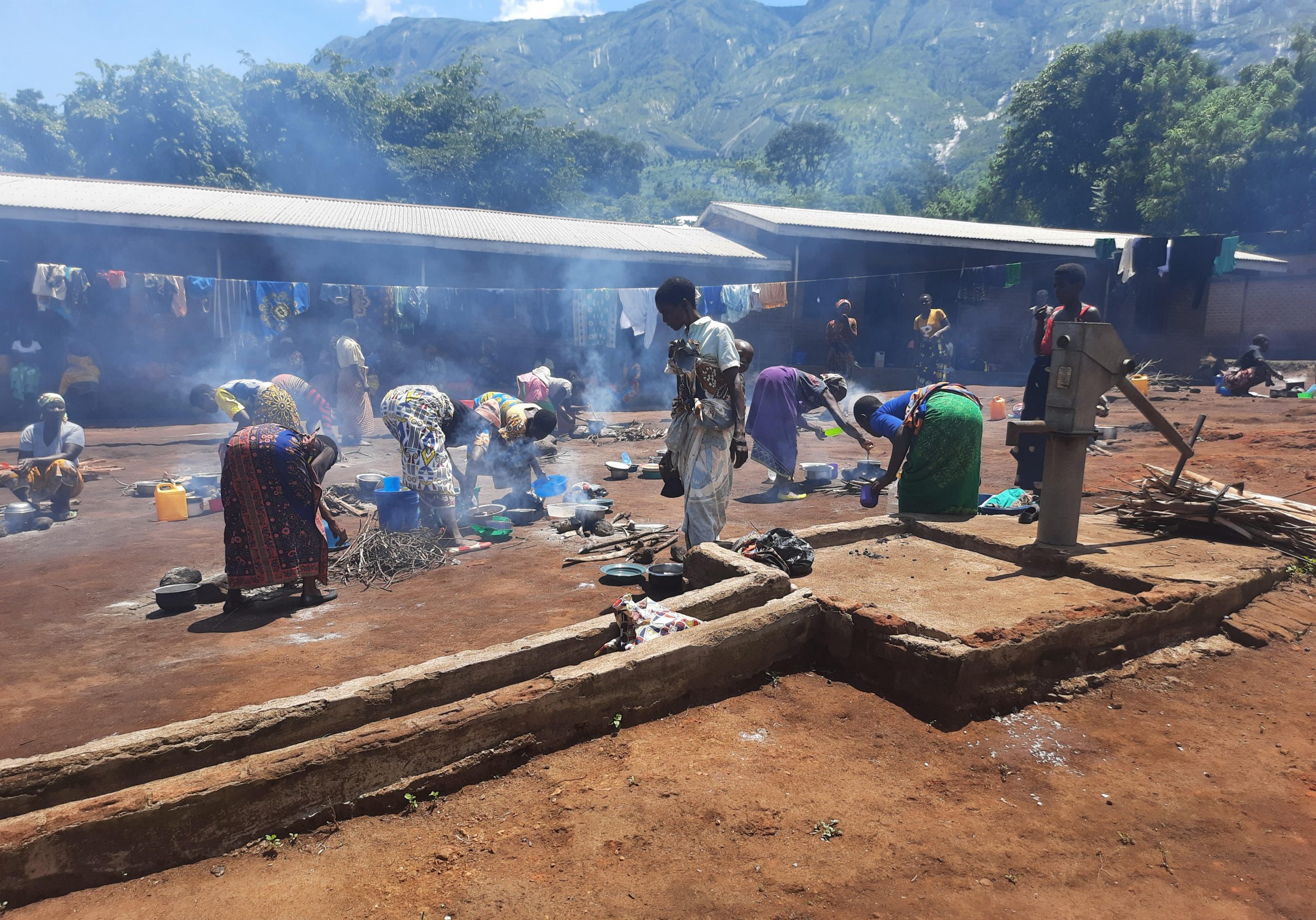
This component assessed infrastructure, WASH conditions, management arrangements, hygiene behaviours, health risks and user satisfaction across 12 secondary-level hospitals in Southern Malawi. The findings demonstrated that GWS are heavily utilised but frequently experience inadequate WASH services, poor infrastructure, unclear management arrangements and limited operational support.
Key Outputs
Research Component 2: Hygiene Practices Among Guardians in Healthcare Facilities and Communities
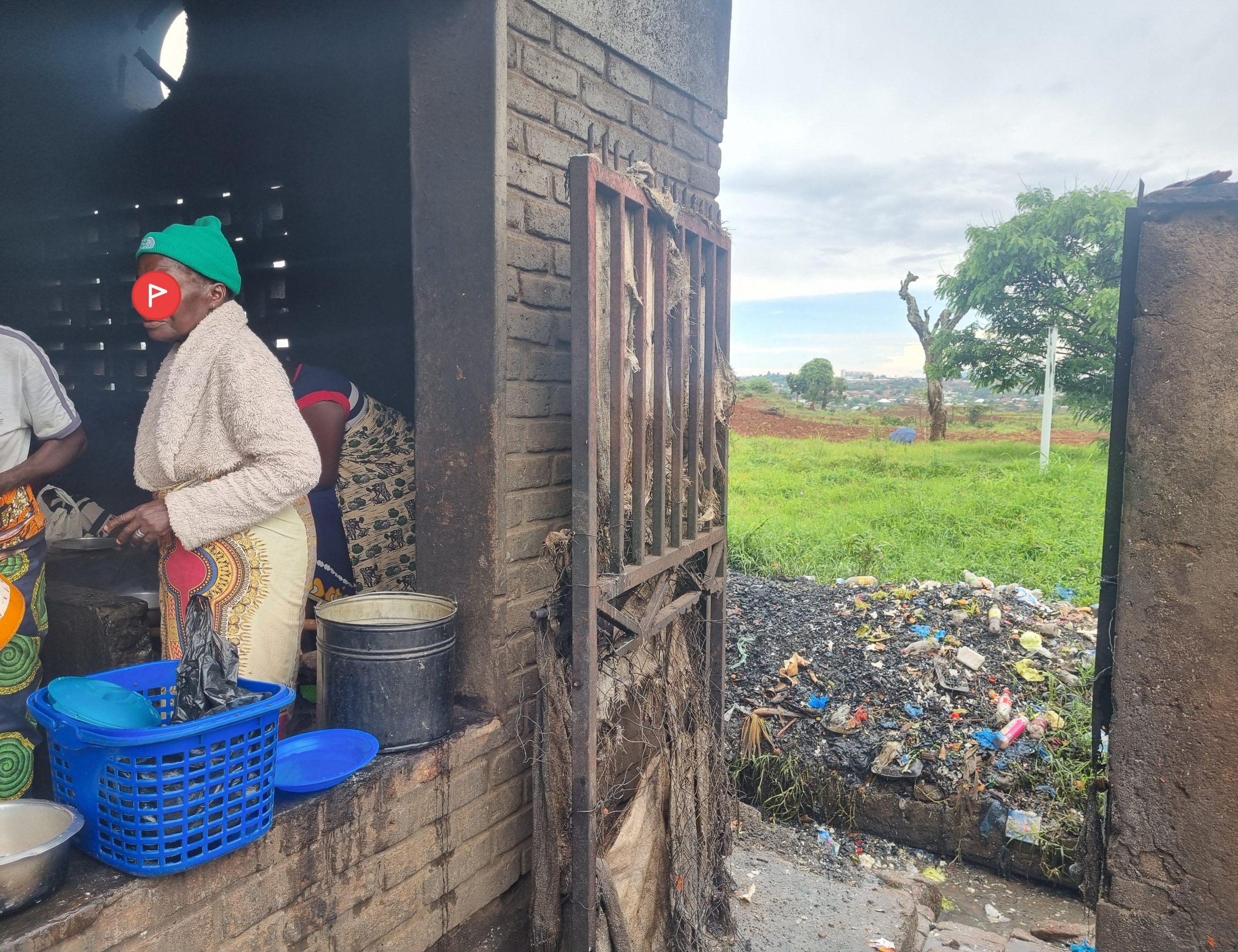
This mixed-methods study explored hygiene and handwashing practices among new mothers and patient guardians during hospital admission and after returning to their communities, identifying opportunities to strengthen hygiene promotion and infection prevention.
Phase 2: Strengthening Guardian Waiting Shelters in Malawi’s Health System
Ongoing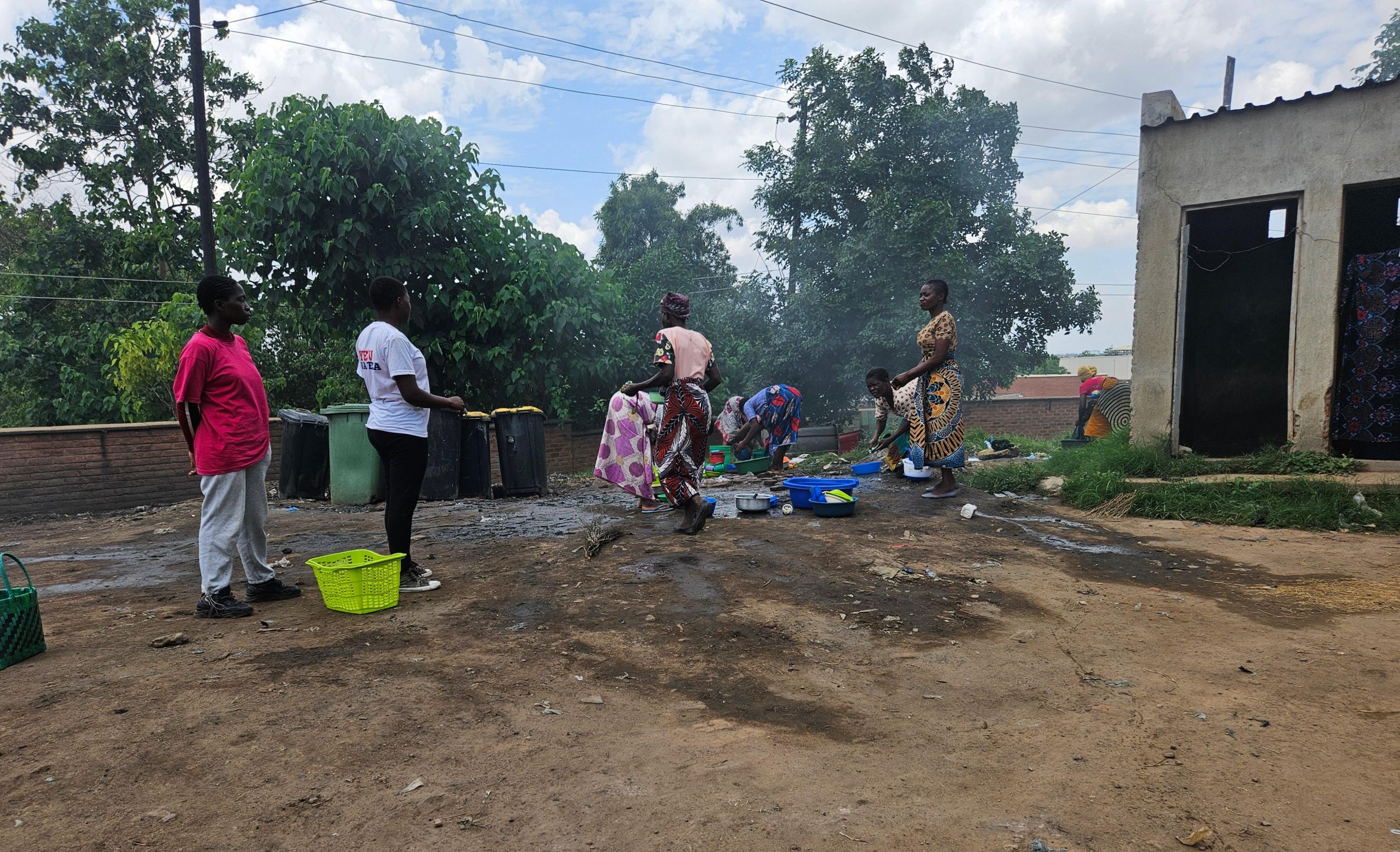
Building on Phase 1, Phase 2 expands the research nationally to generate evidence that supports the integration of GWS into Malawi’s health system. The project combines national research, stakeholder engagement and policy development to strengthen the governance, management and operation of GWS.
A multidisciplinary Research Technical Team (RTT), comprising representatives from the Ministry of Health and Sanitation, Local Government, WaterAid Malawi and the Hospital Management Committee, provides strategic guidance and ensures the research remains aligned with national priorities.
Research Components
Mixed-methods national assessment of Guardian Waiting Shelters (GWS): Evaluation of governance and management, infrastructure, water, sanitation and hygiene (WASH) conditions, infection prevention and control (IPC), and the experiences and perspectives of guardians.
Longitudinal occupancy and utilisation assessment of Guardian Waiting Shelters (GWS): Examination of daily occupancy patterns, user characteristics, reasons for staying, and duration of stay.
Political Economy Analysis: Assessment of the institutional, governance and financing factors that influence the prioritisation, management and sustainability of Guardian Waiting Shelters (GWS).
Current Status
The project is nearing completion of national data collection. Following the integration of findings from the national assessment, occupancy and utilisation study, and political economy analysis, the next phase will focus on:
- Stakeholder dissemination of findings
- Co-developing a Theory of Change for strengthening GWS
- Developing recommendations to inform national guidance and minimum standards
- Preparing scientific manuscripts, policy briefs and other knowledge products