The Hygiene Hub is a theory-driven school hand hygiene and sanitation programme implemented in primary schools in Chikwawa District, Malawi. The project aimed to promote hand hygiene and sanitation through a theory-driven WASH behaviour change intervention.
During the COVID-19 pandemic, Malawi invested in WASH infrastructure to support hand hygiene in schools. However, limited attention was given to hygiene behaviour change. This project addressed that gap by implementing a theory-driven hand hygiene intervention in primary schools in Chikwawa District.
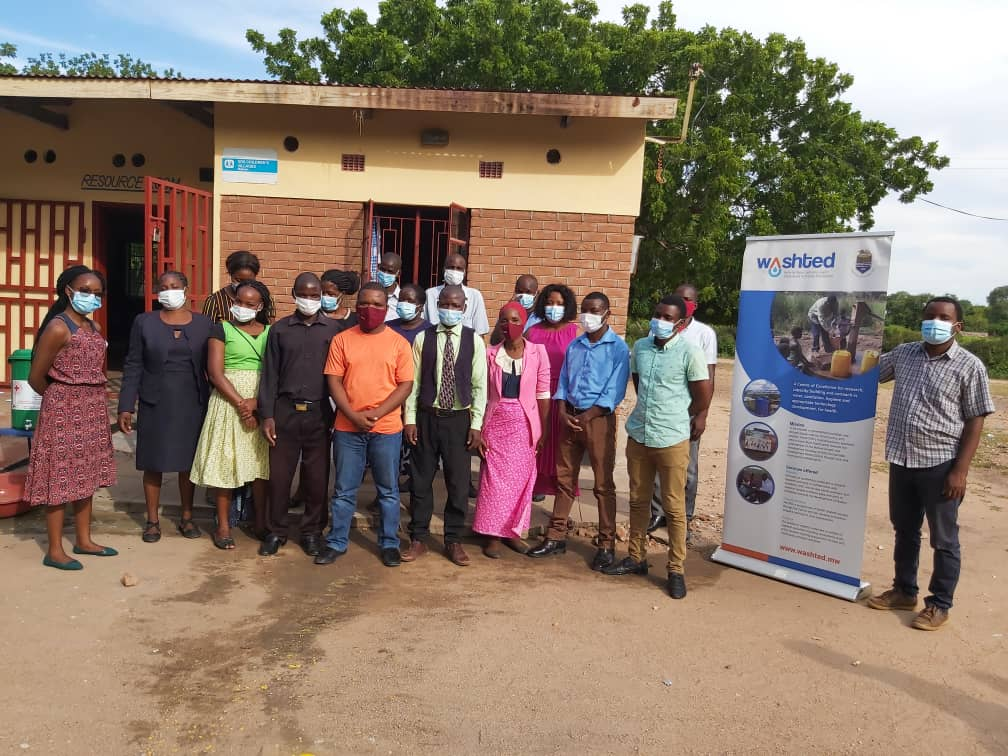
WASHTED partnered with the University of Strathclyde and the London School of Hygiene & Tropical Medicine (LSHTM) to promote hand hygiene in primary schools through a theory-driven WASH behaviour change intervention.
The Hygiene Hub
Project Information
1. Training of Stakeholders
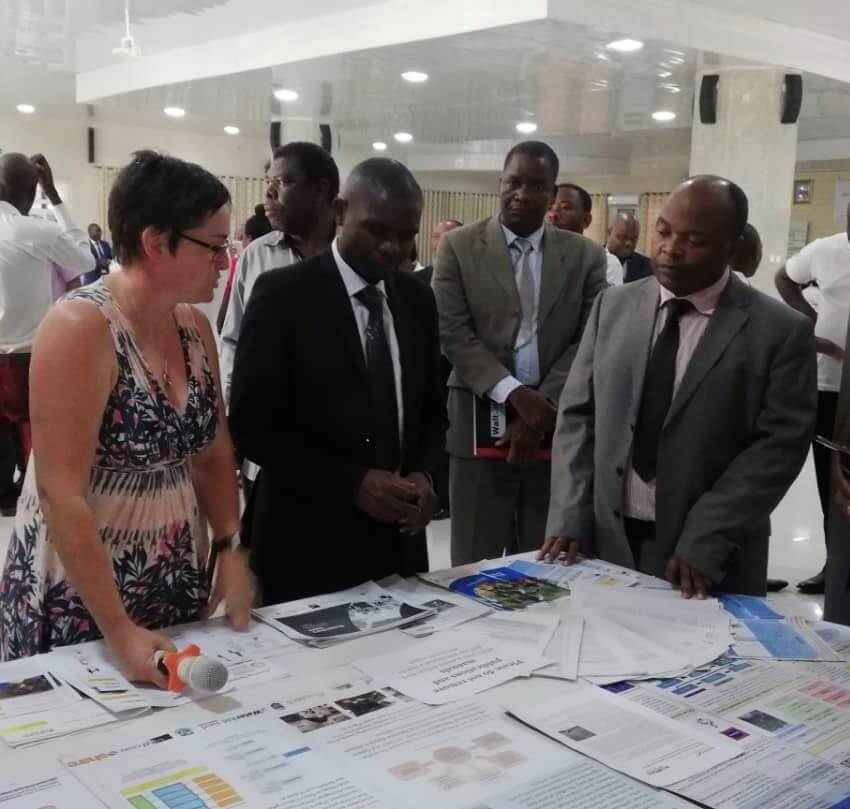
CompletedThe intervention also engaged the Chikwawa District Health Office (DHO) and other district stakeholders, including five Environmental Health Officers (EHO), six Assistant EHOs, and four Senior Health Surveillance Assistants (SHSAs), who were oriented on the intervention.
2. Intervention Implementation
Completed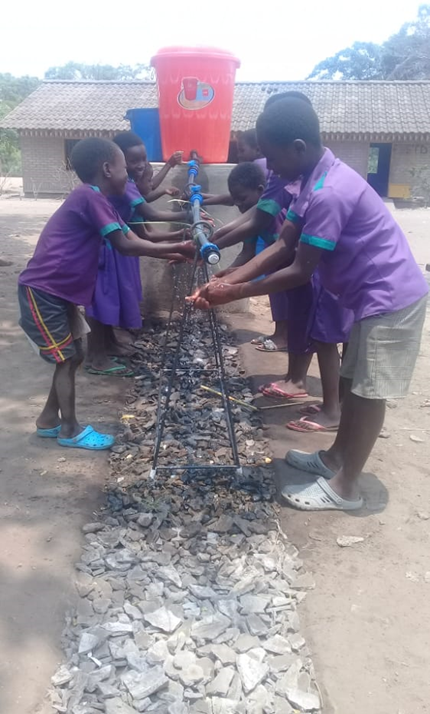
Following the training, teachers were provided with an implementation manual to guide delivery of the intervention to learners. The intervention aimed to increase the adoption of hygiene and sanitation behaviours in primary schools through participatory, practical and engaging activities.
The intervention covered COVID-19 transmission and prevention, with particular emphasis on handwashing with soap, respiratory hygiene, physical distancing, appropriate mask use, and cleaning frequently touched surfaces.
Rather than relying on knowledge-based messages alone, teachers used games, demonstrations, visual materials, discussions and hands-on activities to help learners understand how germs spread and how appropriate hygiene behaviours can interrupt transmission.
Practical and Participatory Learning
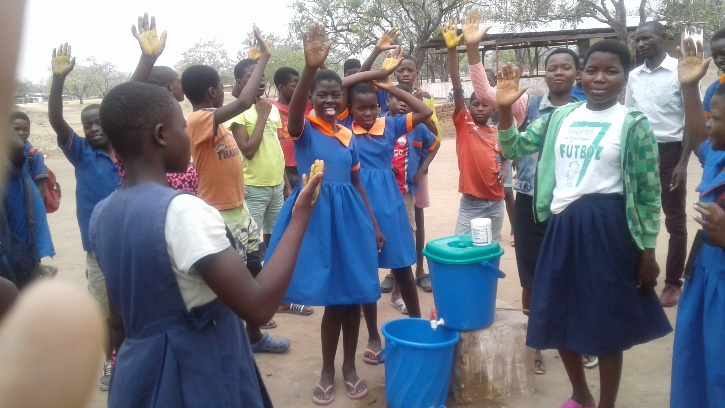
Germ-transmission activities demonstrated how contamination could spread through hand contact and surfaces, followed by practical demonstrations of handwashing with soap.
To make the intervention feasible in resource-constrained school settings, activities encouraged the use of locally available materials, including mud, charcoal powder, wild fruits and coloured chalk as alternatives to PVA paint.
Teachers also adapted activities to what was locally available; for example, chalk dust was used in place of pepper in the pepper game, while still demonstrating how easily contamination can spread and reinforcing the importance of effective handwashing.
Behaviour Change Approach
- Games and demonstrations
- Visual learning materials
- Group discussions
- Hands-on activities
- Germ-transmission demonstrations
- Practical handwashing demonstrations
- Use of locally available materials
These adaptations helped make the intervention practical, affordable and easy for schools to continue using.
3. Supportive Monitoring Visits
Completed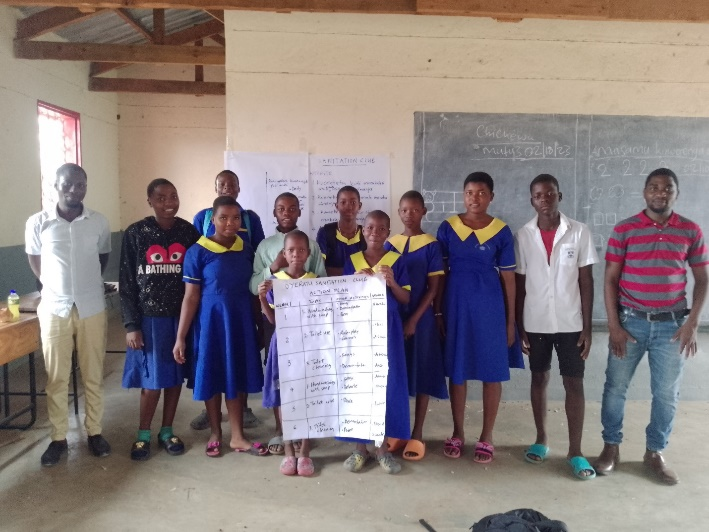
Unannounced supportive monitoring visits conducted by the research team, with support from Primary Education Advisors (PEAs), indicated good uptake of handwashing with soap among learners.
A WhatsApp group was also established for School Health and Nutrition (SHN) teachers, providing a platform for schools to share experiences, implementation challenges, lessons learned and practical solutions.
Addressing Implementation Challenges
Monitoring identified several barriers to sustained practice, particularly inadequate numbers of handwashing facilities, which resulted in congestion at peak times such as during school breaks.
In response to this implementation challenge, the project developed and piloted a group handwashing facility in two schools. The facility was designed to enable multiple learners to wash their hands simultaneously, reduce congestion and make routine handwashing with soap more feasible within the school setting.
Responding to Cholera and Other WASH-Related Infections
Programme AdaptationWhen Malawi experienced a cholera outbreak in 2022, this established relationship provided an opportunity to broaden the programme’s focus beyond COVID-19 to address cholera and other WASH-related infections.
WASHTED engaged selected primary schools in Chikwawa District to strengthen school sanitation clubs, equipping learners with practical knowledge and skills to prevent cholera and other WASH-related infections.
The approach recognised learners as agents of change, supporting them to promote good WASH practices not only within their schools but also in their homes and communities.
Community and School Engagement
- Strengthening school sanitation clubs
- Practical knowledge on cholera prevention
- Skills for preventing WASH-related infections
- Supporting learners as agents of change
- Promoting WASH practices in homes and communities
4. Project Status
CompletedThe project has now been completed, leaving valuable lessons and practical approaches for strengthening school WASH programming and promoting sustainable hygiene behaviours among learners.