Discarded plastic in the peri-urban environment is a serious challenge for sustainable waste management and for the delivery of environmental & public health. In many cities in sub-Saharan Africa including Malawi, plastic wastes, and plastic bags in particular, contribute to blockage of waterways, provide a larval habitat for mosquitoes and potentially spread pathogens.
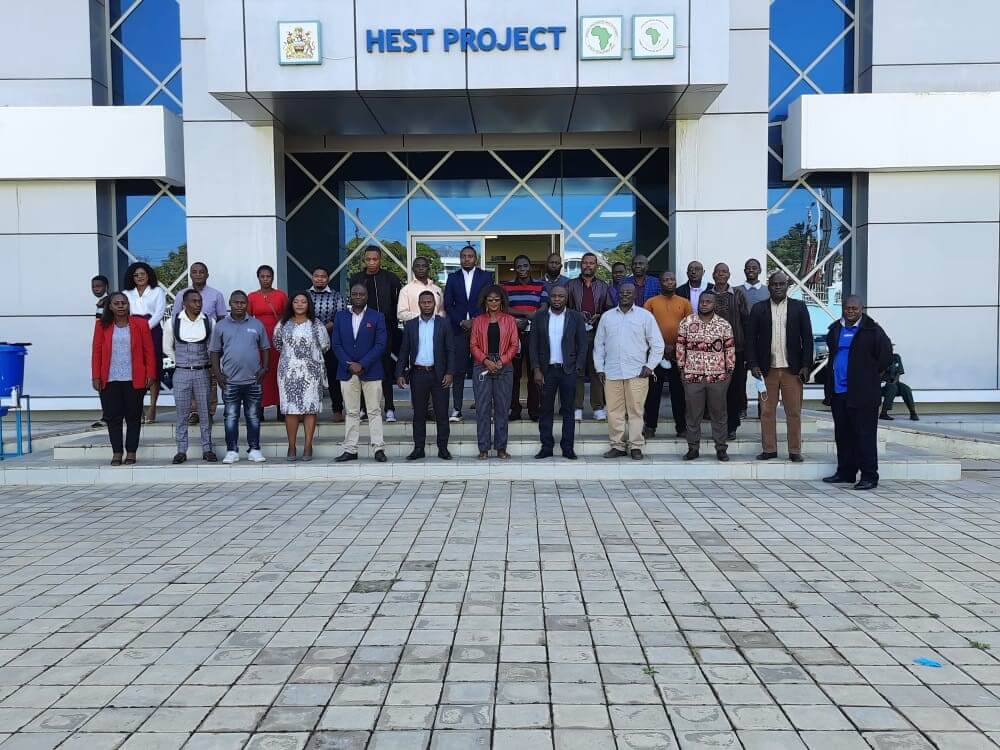
Between January 2021 to March 2025, WASHTED collaborated with University of Stirling , Durham University , Heriot-Watt University , Liverpool School of Tropical Medicine , University of Dar es Salaam , Malawi Liverpool Wellcome Research Programme (MLW) and University of Strathclyde in a study to assess the Sustainable Plastic Attitudes to benefit Communities and their Environments (SPACES). The overarching aim of the SPACES project was to focus on the sources, quantities, impacts, economic & behavioural drivers of plastic pollution in densely populated cities in Tanzania (who have just enforced a ban on plastic bags) and Malawi (who have experienced challenges in implementing the ban on plastic bags) in order to influence policy and directly deliver societal impact by incentivising behavioural change.
SPACES project activities
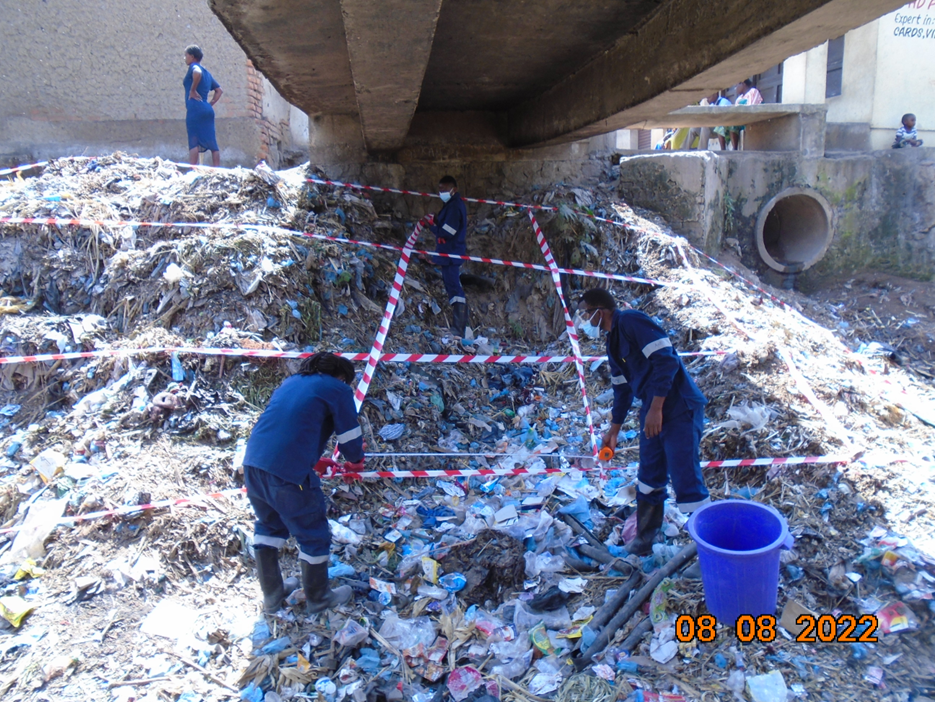
In Malawi, WASHTED worked closely with MLW to quantify the burden of plastic waste in Ndirande Blantyre and assess the role of plastics in facilitating the survival of bacteria carrying anti-microbial resistant (AMR) genes and facilitating the emergence of novel zoonotic diseases. Using drone imaging and transect walks, findings from the study highlight high presence of waste piles within urban communities located along rivers, streams and in open spaces. Characterisation of waste quantities further highlighted high presence of plastic waste, specifically single-use thin blue plastics, which were facing challenges in ban enforcement in the country. Additionally, plastics were found to harbour high antimicrobial resistant ESBL E.coli and ESBL Klebsiella Pnuemonae genes which are reported to contribute to high hospital blood infection prevalence in the country.
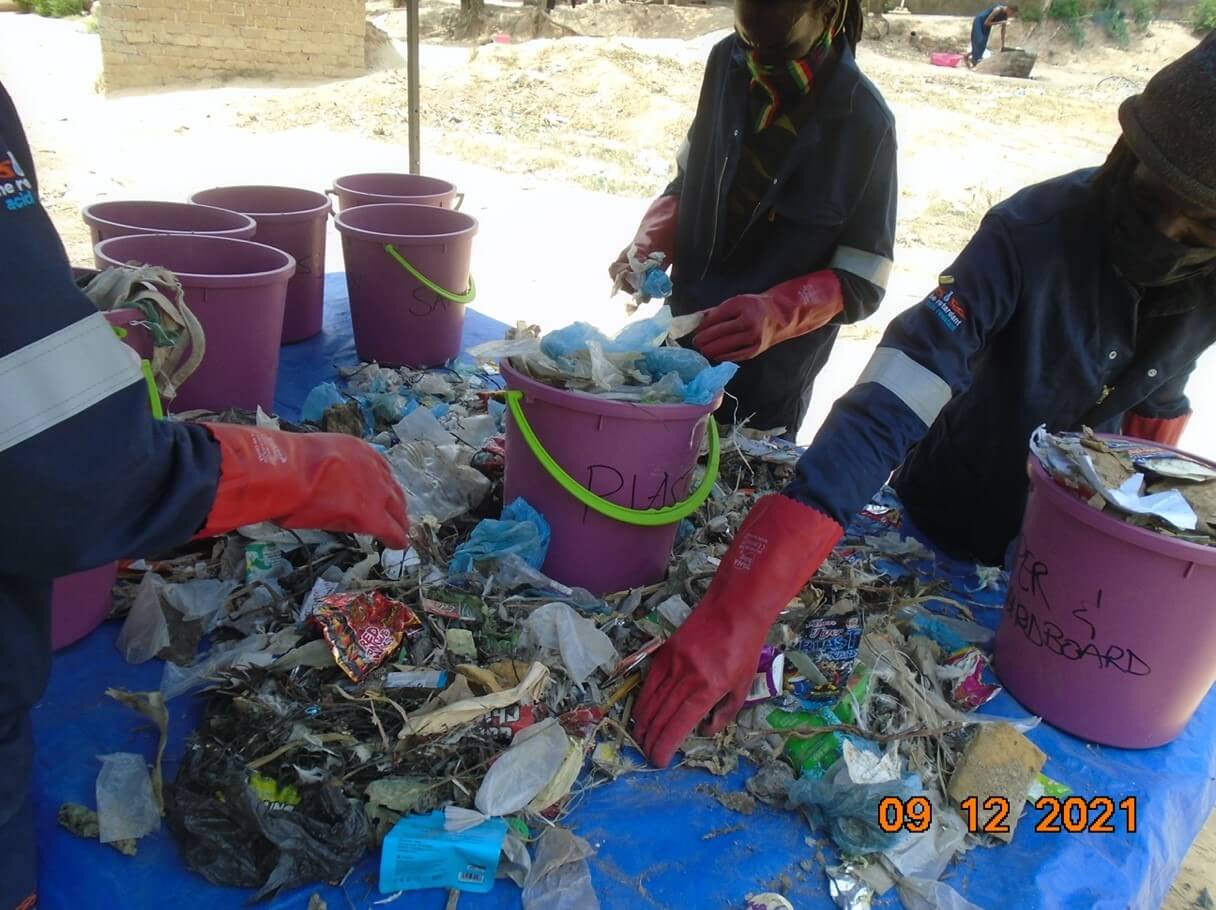
Waste characterisation in Ndirande, Blantyre
Sharing Findings
Findings from the study have been shared at different levels; at community level, the results have been shared with community leaders, local waste recyclers, residents, the Village development committee with representatives from the youth, business owners, church leaders and other local representatives. At regional and national level, findings have been shared with the Blantyre City Council, plastic manufacturers, recyclers, the research community through conferences, wider Malawian population through radio and TV programs, and at policy level, findings have been shared with the parliamentary committee on Natural resources, Energy and Climate change as well as the Malawi Environmental Protection Authority (MEPA).
Project Information
For more details about the study visit this page.
Funder: NERC (Natural Environment Research Council)
Research Outputs
Research outputs can be found here .
- SPACES Project engages parliamentary committee on Natural Resources and Climate Change with study findings
- Citizen Jury tackles Plastic Pollution in Blantyre
- Mapping and quantifying the spatial and temporal composition of waste piles in informal settlements of urban Malawi
- Mapping waste piles in an urban environment using ground surveys, manual digitization of drone imagery, and object based image classification approach
- Urban waste piles are reservoirs for human pathogenic bacteria with high levels of multidrug resistance against last resort antibiotics: A comprehensive temporal and geographic field analysis
- Open defaecation by proxy: Tackling the increase of disposable diapers in waste piles in informal settlements