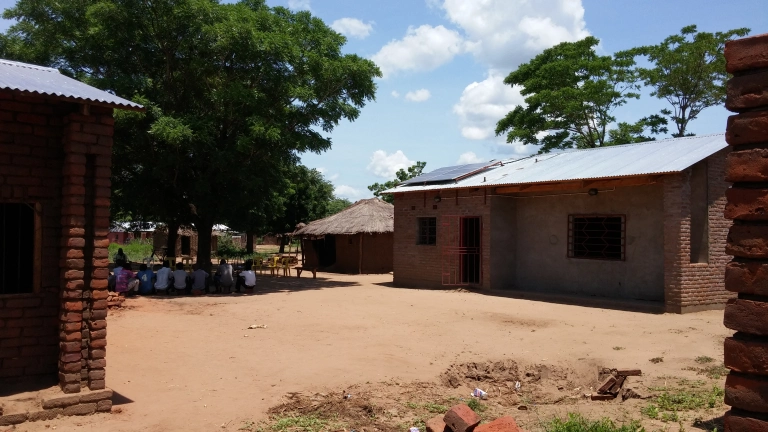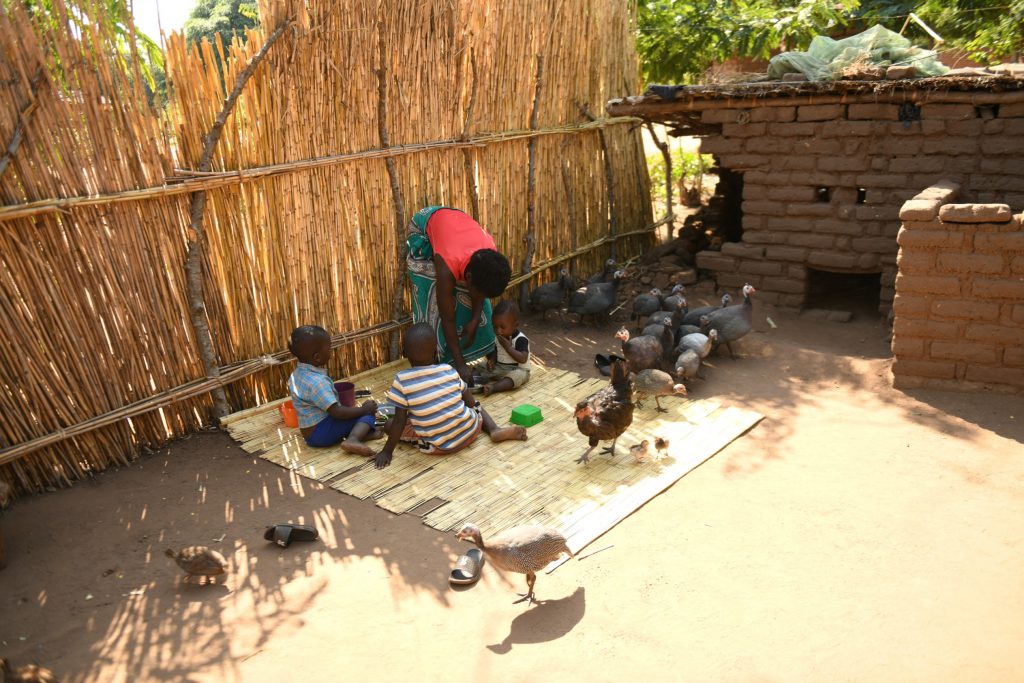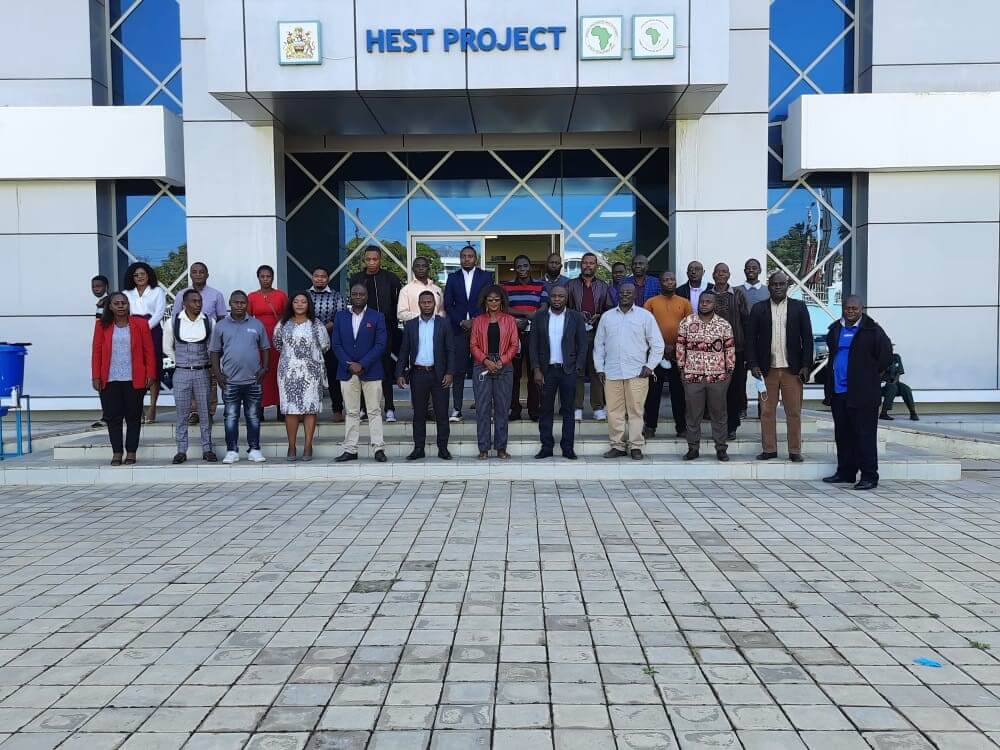
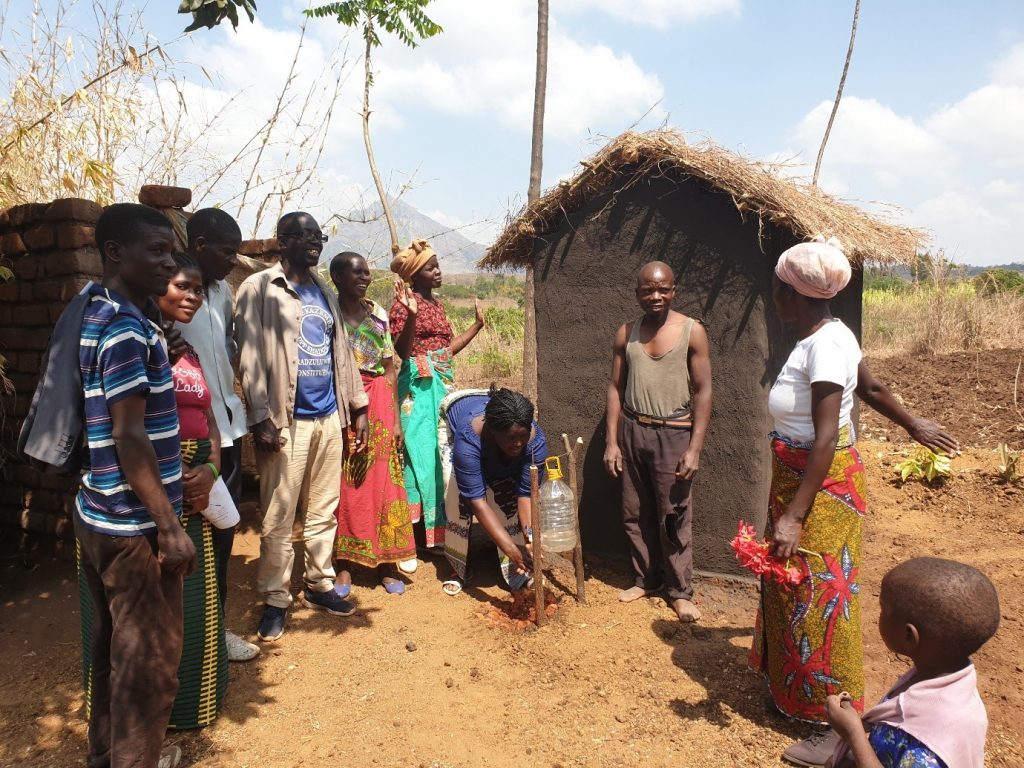
Poor sanitation and hygiene are an enduring public health challenge in Malawi. In most rural communities including Chiradzulu district, the coverage of sanitation facilities is very low with some people still practicing open defaecation. The Malawi government like other developing countries uses the Community-Led Total Sanitation (CLTS), an approach that requires active community participation to eradicate the OD practice and promote hand hygiene in rural areas. Research indicates diverse outcomes of CLTS, with some advocating that it should not be seen as a stand-alone intervention; instead, adaptations should be made during its implementation to accommodate individual contexts.
World Vision (WV) and Water for People (W4P) implemented a Water, Sanitation and Hygiene (WASH) project in Chiradzulu district, Malawi: WASH For Everyone (W4E) project. This was a 3-year (2022 – 2025) district-wide project targeting universal access to WASH. The project involved drilling new boreholes, rehabilitating non-functional boreholes as well as construction of mechanised water systems in communities, schools and health care facilities. To promote household sanitation and hygiene, the project implemented CLTS alongside the Care Group (CG) model, to mobilize communities to construct and sustainably use latrines and handwashing facilities. CGs are a well-established intervention model for the delivery of health interventions in rural communities, primarily focused on maternal and child health interventions.
WASHTED in collaboration with the London School of Hygiene and Tropical Medicine (LSHTM) partnered with the W4E implementing organizations to support research and learning within the W4E Project from 2022 to 2025. The research aimed to assess the process and effectiveness of integrating CLTS with the CG model in improving sanitation and hygiene coverage and utilization, compared to the implementation of standard CLTS in rural Chiradzulu district, Malawi, through impact and process evaluation surveys.
The W4E project ended in December 2025, marking the completion of its three-year implementation period.
2022 – 2025Project Information
Funder: World Vision (WV) International
Research outputs
The W4E research programme has generated a range of outputs examining the implementation and outcomes of sanitation and hygiene interventions. Available publications arising from the project are listed below:
- Water, Sanitation, and Hygiene for Everyone Intervention Study: Protocol for a Controlled Before-and-After Trial. https://www.researchprotocols.org/2025/1/e68280
- Community-Led Total Sanitation implementation in Malawi: process evaluation of a sanitation and hygiene intervention. https://doi.org/10.1080/17441692.2026.2638018
- Household sanitation access before and after an extreme weather event: Tropical Cyclone Freddy in rural Malawi. https://doi.org/10.1371/journal.pclm.0000721
- Inclusion of persons living with disabilities in a district-wide sanitation programme: A cross-sectional study in rural Malawi https://doi.org/10.1371/journal.pgph.0003005
- Assessing the reliability and validity of pictorial-assisted 24-h recall for measuring hand hygiene and child faeces disposal: A cross-sectional study in Malawi https://doi.org/10.1016/j.ijheh.2024.114516
Follow-up research from the W4E project: The Soap Preference Study
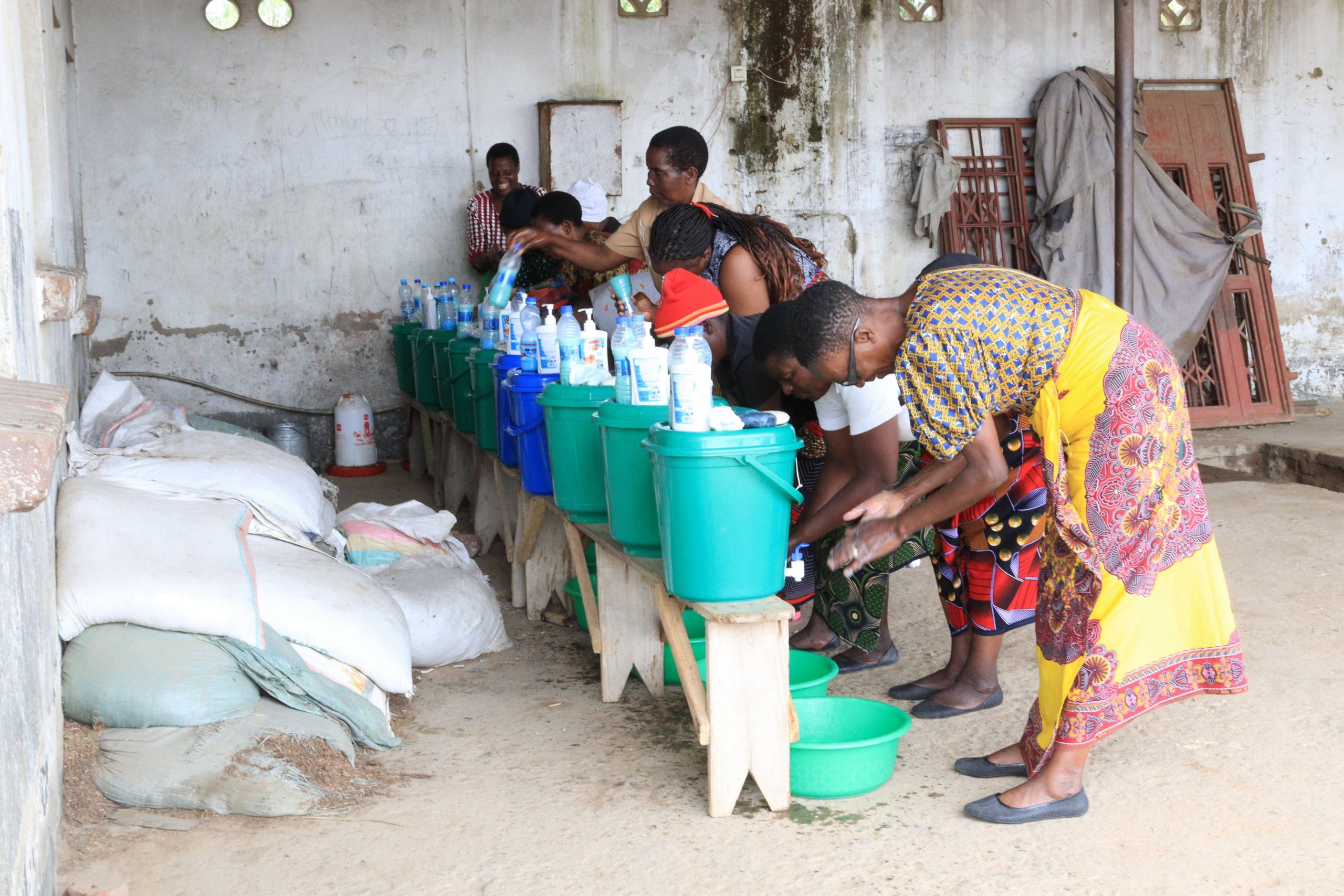
Building on findings from the W4E project, WASHTED, in collaboration with the London School of Hygiene and Tropical Medicine (LSHTM), initiated a follow-up study titled “Understanding End-User Soap Preferences for Household Handwashing: A Mixed-Methods Study in Urban and Rural Malawi.”
The W4E impact evaluation identified persistent challenges in household handwashing with soap, including low household soap availability and extremely limited handwashing with soap at critical times. These findings highlighted the need to better understand the factors influencing household access to, prioritization of and preferences for soap, and to investigate how soap characteristics and price may affect its use for handwashing.
The study comprises three phases. The first phase involved market scoping to identify the types of soaps available in the study areas and the attributes that users value when selecting soap. The second phase involved ranking available soaps according to user preferences for these attributes. The final phase quantifies both revealed and stated willingness to pay (WTP) for the four most preferred soaps identified during the ranking exercise.
The study is being implemented in both rural (Chiradzulu District) and urban (Blantyre City) Malawi.
The study aims to generate evidence on consumer preferences, affordability and demand for soap for household handwashing. The findings will generate important evidence to inform future behaviour change strategies and interventions aimed at improving hand hygiene practices in Malawi.