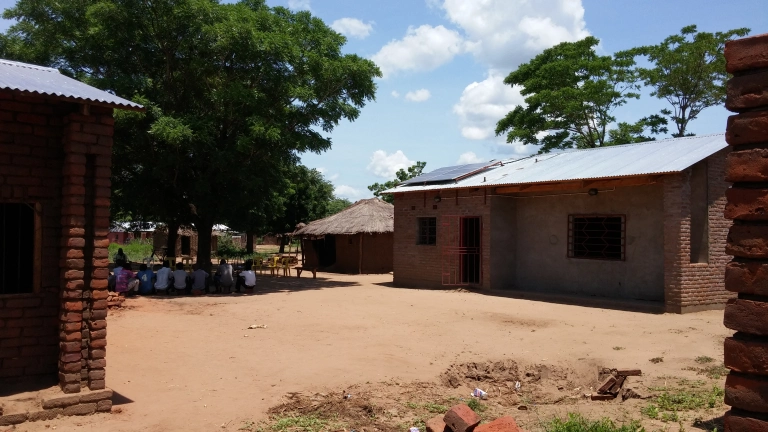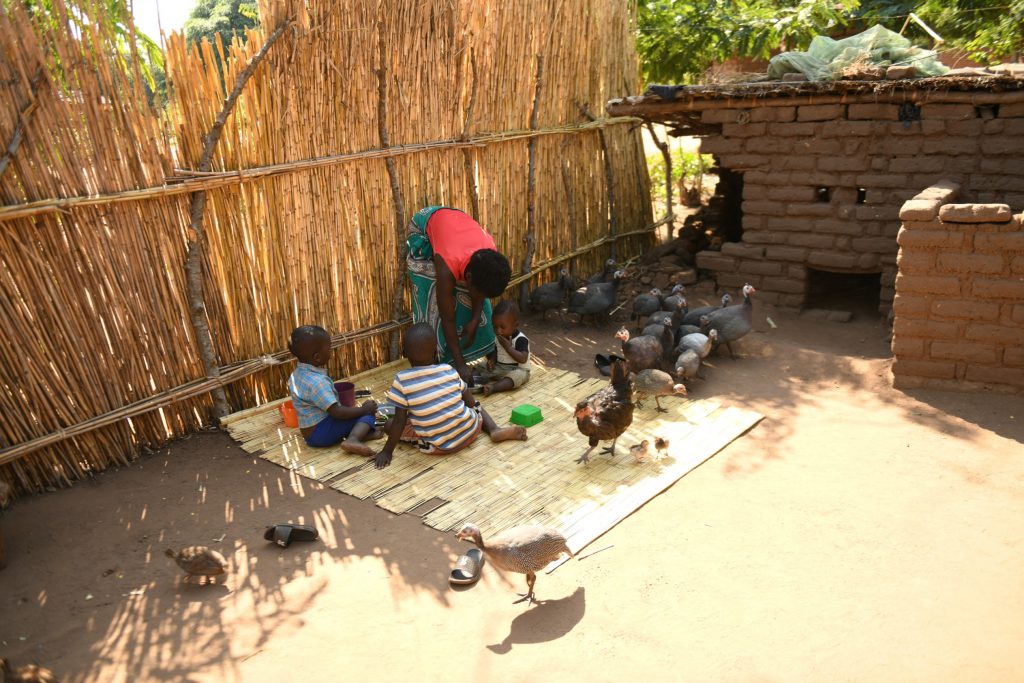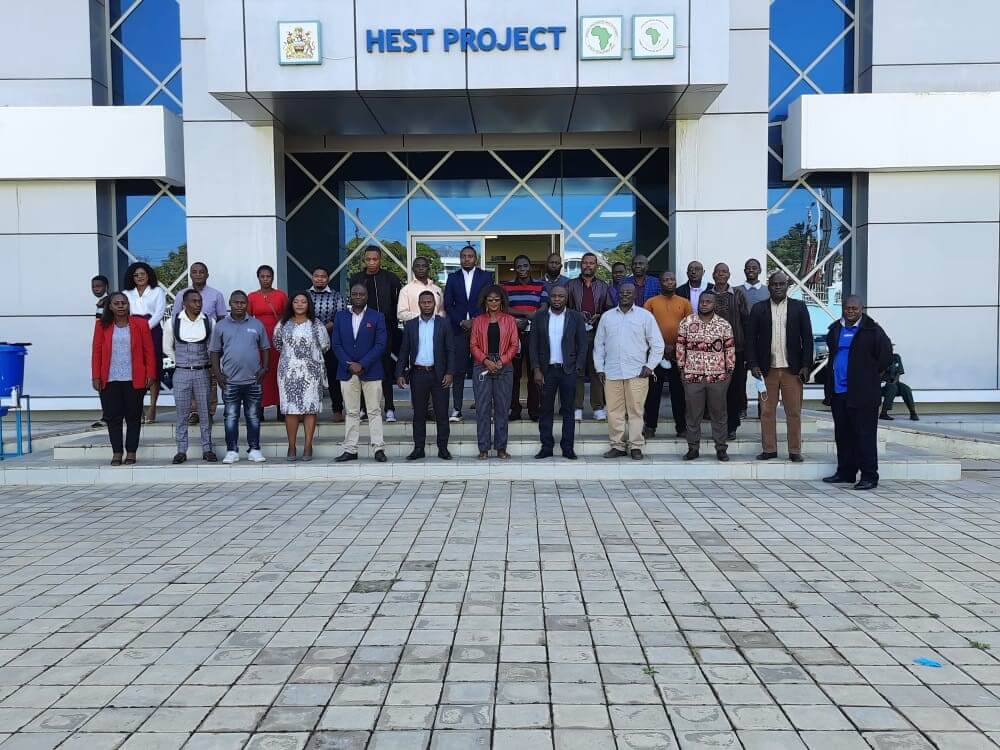

One in three people around the world do not have access to safe drinking water. The majority of these live in rural areas with no realistic hope in the foreseeable future of access to distributed treated water systems. However cheaper, easy to use Household Water Treatment and Storage methods can provide interim solutions to the current problems.
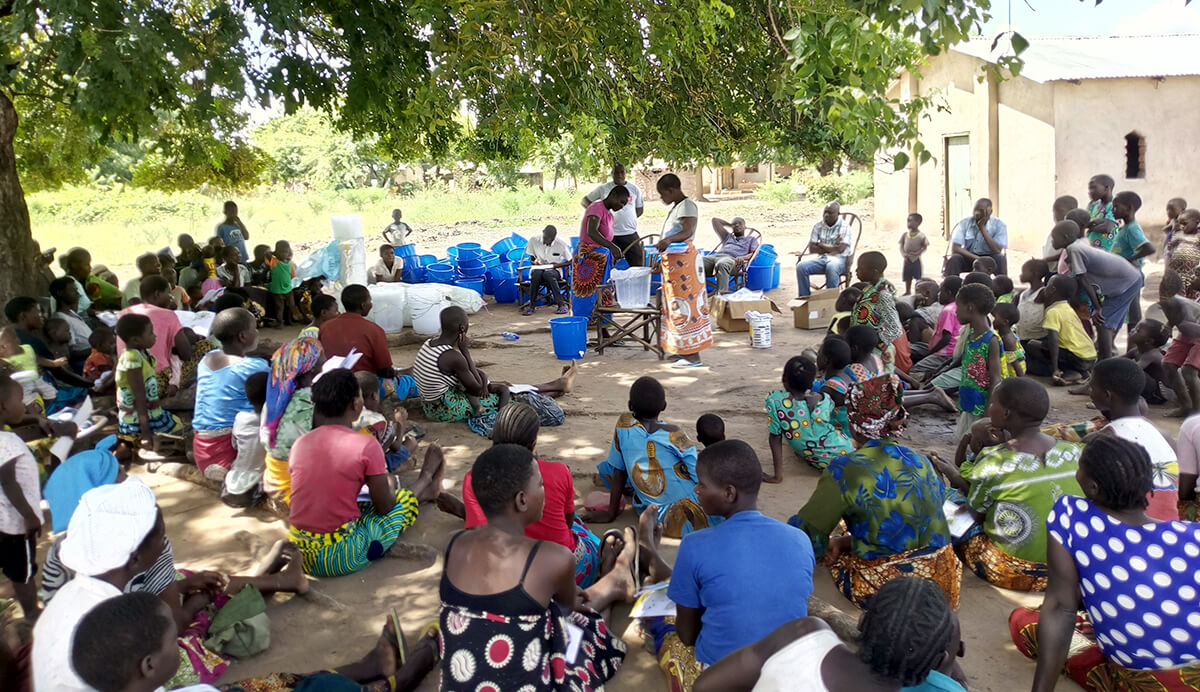
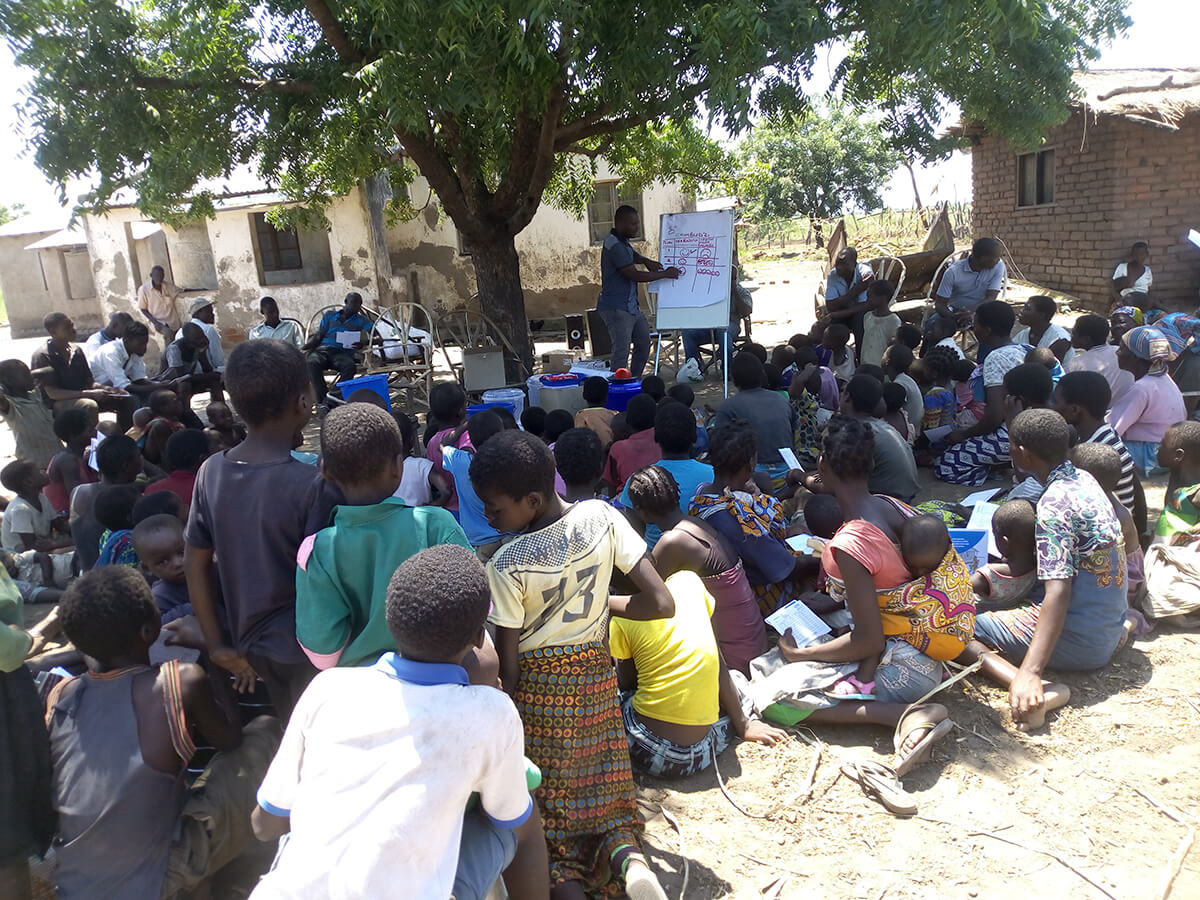
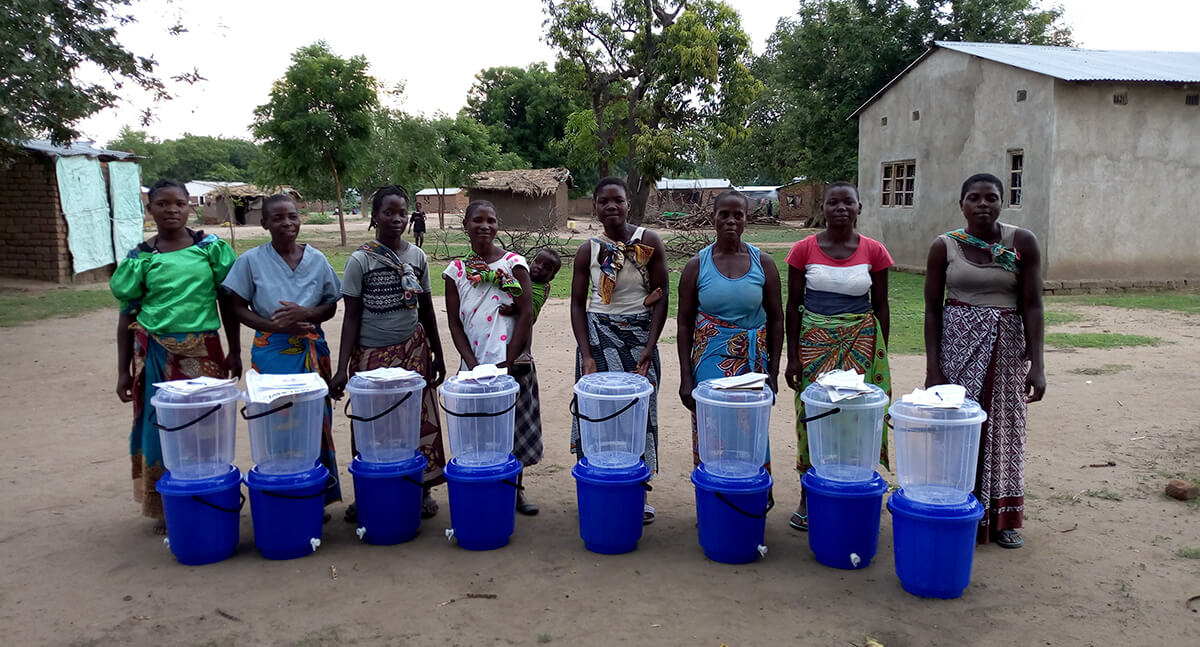
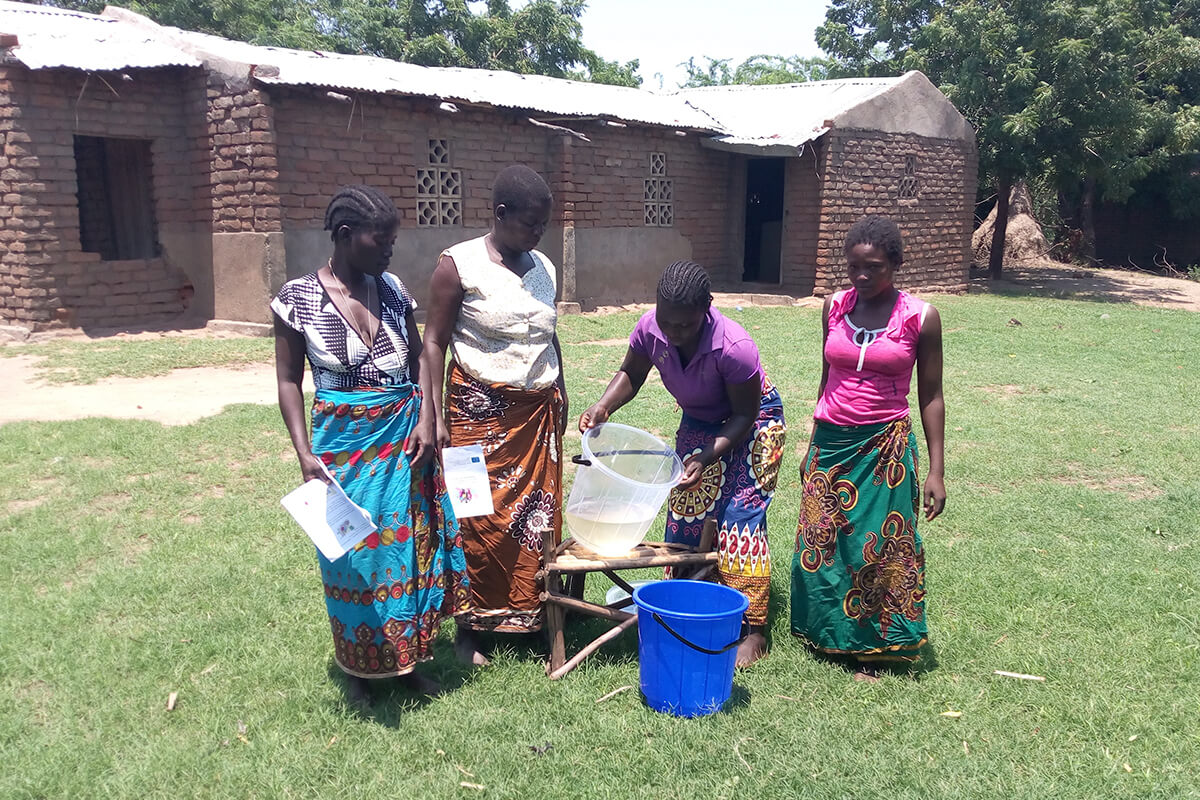
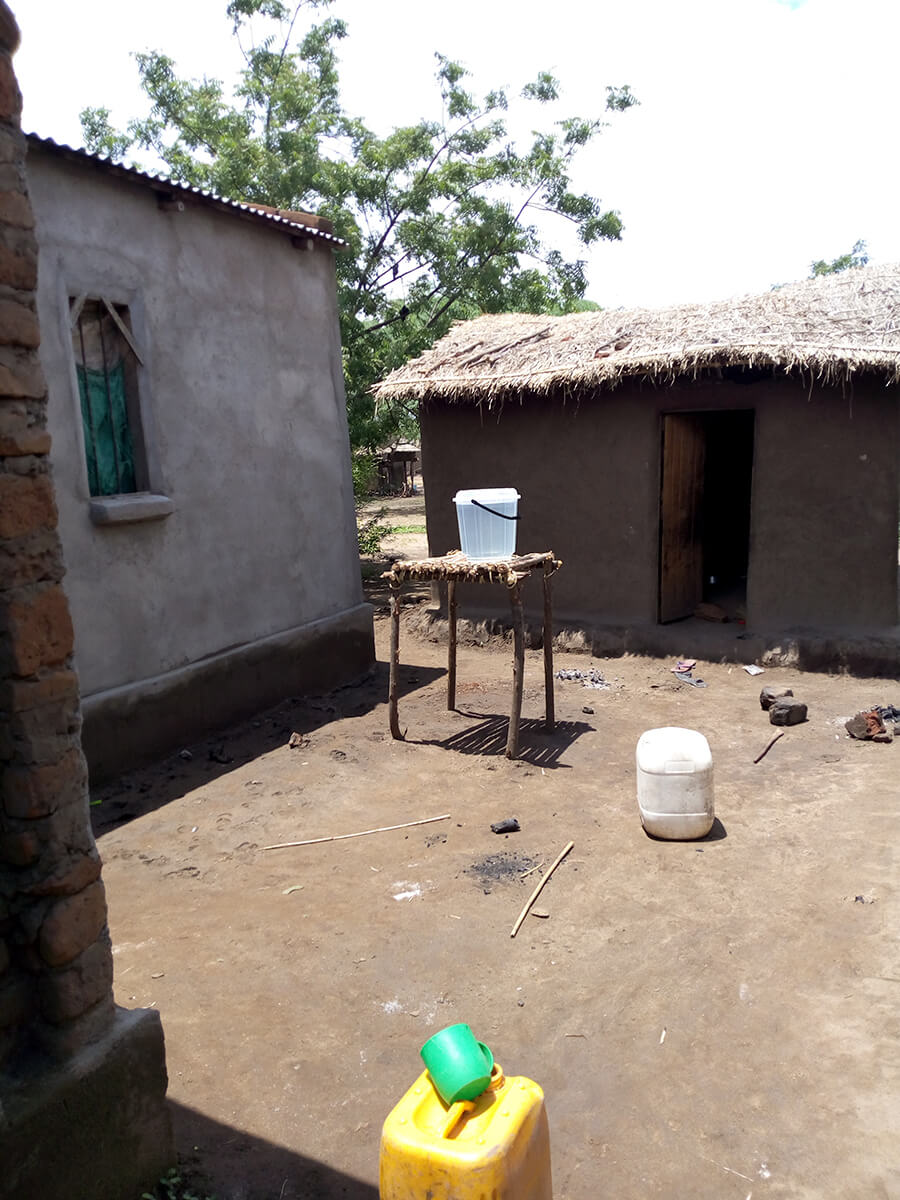
The project was advocating for a water treatment method, Solar Disinfection (SODIS), that uses freely available solar energy to inactivate pathogens in water stored in transparent containers placed in direct sunlight. The project aimed to increase the user uptake of SODIS by designing, piloting and bringing to market three novel solar based technologies: Solar rainwater reactors, Solar jerrycans and Solar buckets filtration. In Malawi focus was on SODIS buckets and were piloted in Chikwawa district. The project ran from June 2016 to May 2020
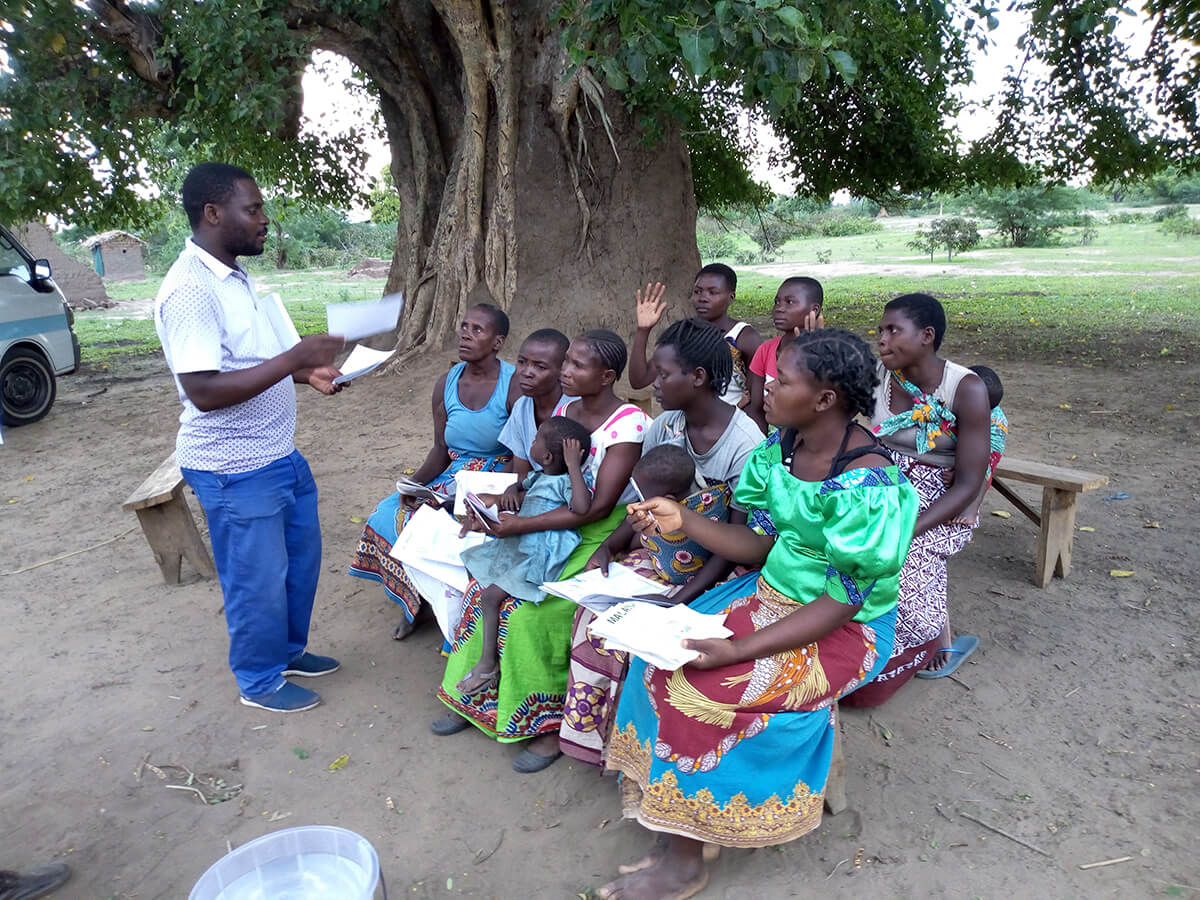
Here are some of the publications from the work in Malawi
2016 – 2020- Luwe K, Lungu K, Morse T, et al. Adherence to solar disinfection water treatment reduces diarrheal incidence among children in Malawi: a secondary analysis of a cluster quasi-experimental study. Journal of Water and Health. 2025. https://doi.org/10.2166/WH.2025.092
- Brockliss S, Luwe K, Ferrero G, Morse T. Assessment of the 20L SODIS bucket household water treatment technology under field conditions in rural Malawi. International Journal of Hygiene and Environmental Health. 2022;240. https://doi.org/10.1016/j.ijheh.2021.113913
- Morse T, Luwe K, Lungu K, Chiwaula L. A transdisciplinary methodology for introducing SODIS to rural communities in Malawi: formative research findings. Integrated Environmental Assessment and Management. 2020. https://doi.org/10.1002/ieam.4249
Project Funding
The project received funding from the European Union’s Horizon 2020 research and innovation programme under grant agreement No 688928.