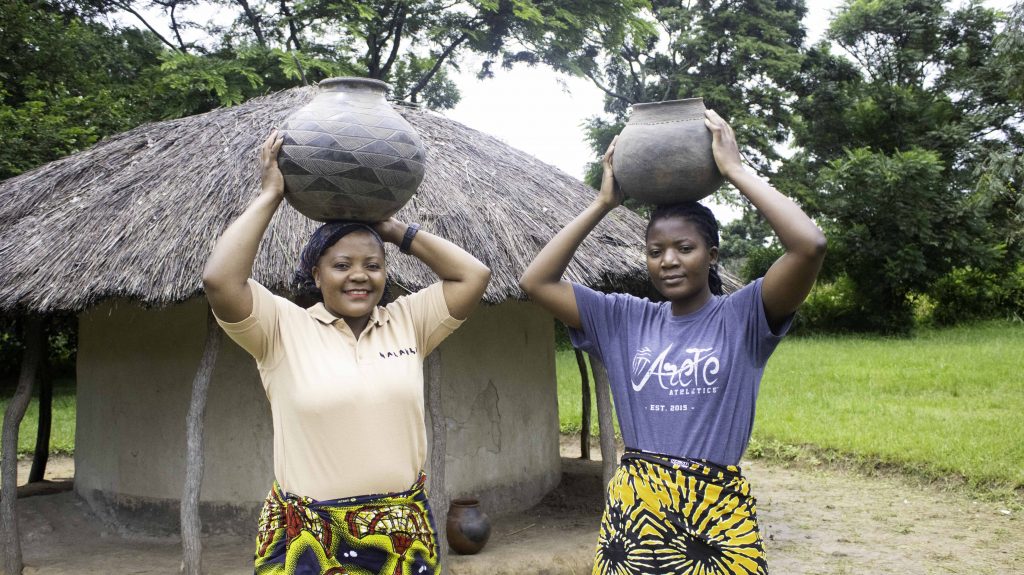
In Malawi, household water management shapes women’s and girls’ lives from dawn to dusk, from the first trip to the borehole to the last wash of dishes at night. Long walks for water and the expectation that women “keep the home clean” quietly decide whether a girl makes it to school on time or whether a mother can rest when she is sick. This year’s World Water Day theme, “Water and Gender”, commemorated under the slogan “Where Water Flows, Equality Grows,” reminds us that these are not just technical issues but questions of power, time and dignity. Recent research shows that the further away a water collection point is, the higher the probability that the person fetching that water will be a woman – a daily reality in which “where water flows from far, inequality grows”. This calls for interventions that do more than document disparities; they must create spaces where inequalities are recognised and transformed.
The WHO Gender-Responsive Assessment Scale (GRAS) illustrates how programs address gender issues, ranging from harmful, gender-unequal methods to transformative actions. At the bottom of the GRAS ladder, gender-unequal and gender-blind approaches perpetuate inequalities, such as placing water sources far from homes, increasing women’s workloads and risks. Gender-blind initiatives fail to consider gender differences, providing the same interventions to everyone without recognising who is primarily responsible for water collection.
In Malawi, many programs are in the middle of the GRAS scale, adopting gender-sensitive approaches that acknowledge the different needs of men and women, and gender-specific initiatives targeting women directly. While these efforts are valuable, they often maintain the status quo, assuming women will continue to shoulder the burden of water management.
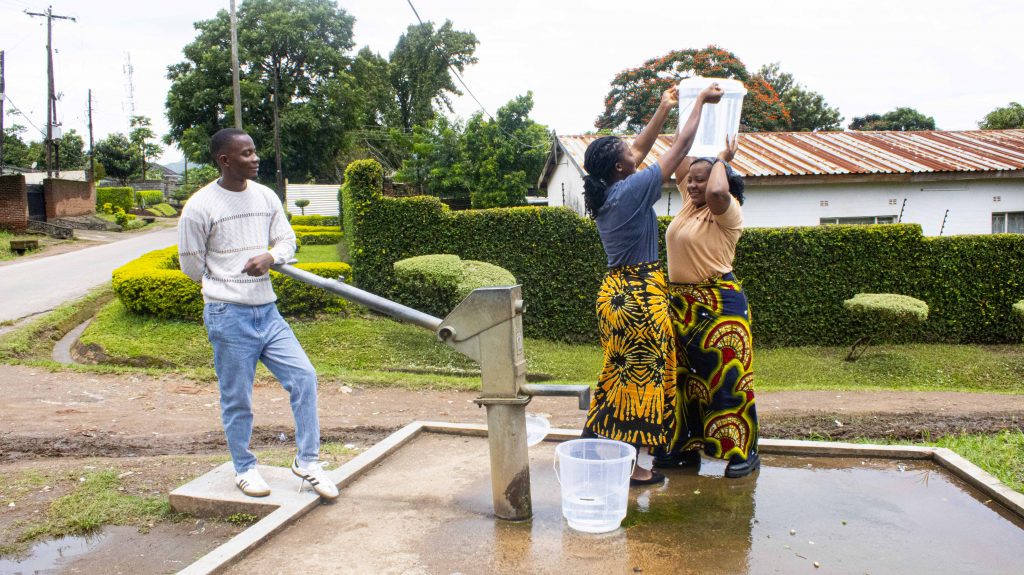
To achieve gender-transformative programming, we must challenge and change unfair norms. This involves including men and boys in responsibilities, empowering women to lead water committees, and creating dialogues to address safety and workloads. We must also shift our measurement metrics to focus on the impact of initiatives on gender dynamics, like who benefits from improved access to water facilities.
For policymakers and community leaders, GRAS serves as a challenge to evaluate and elevate our programmes. By striving for gender-transformative initiatives, each new facility can promote equity, ensuring that as water flows in Malawi, equality grows.