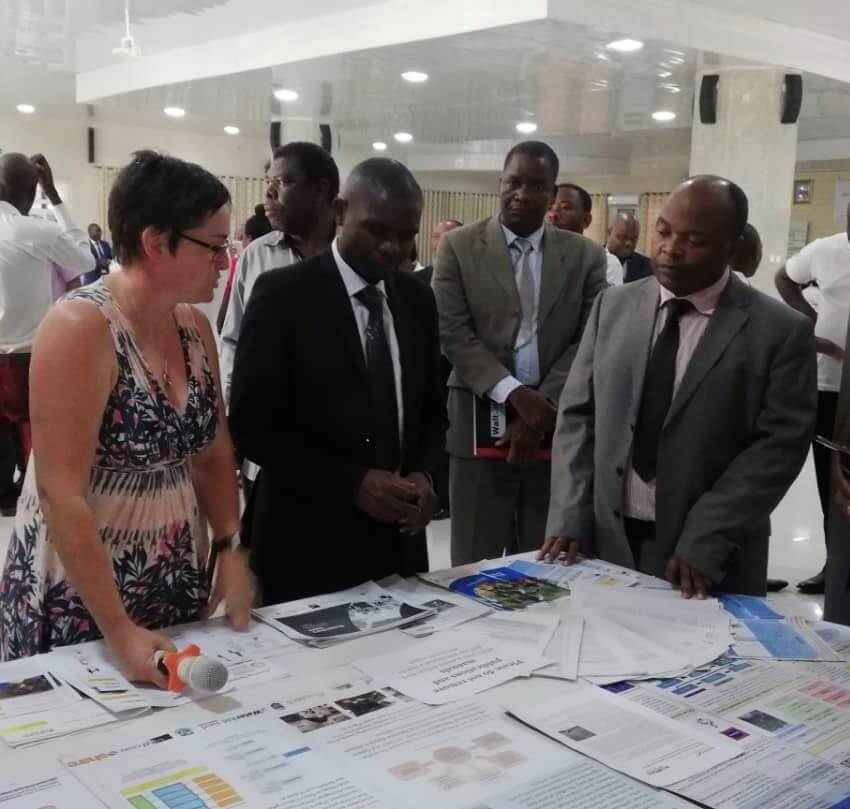
Malawi has made great progress in reducing the burden of soil-transmitted helminth (STH) infections through school-based deworming programmes. But as these programmes approach their end, the Ministry of Health aims to eliminate STH infections by 2030. The programme heavily relied on donor aid, but cessation of donor aid prompts a shift from mass treatment to long-term prevention. But what happens when mass drug distribution for intestinal worms comes to an end? How do we keep communities protected and empowered to prevent infections on their own? These are the big questions the workshop set out to answer, and WASHTED was proud to be part of the conversation.
On 28–29 April 2026, the Malawi Liverpool Wellcome Trust (MLW) brought together health experts, researchers, programme managers, and international donor community representatives in Mponela. The goal was to develop a sustainable plan for tackling STH and to create a strong advocacy message for when regular deworming campaigns start to wind down.
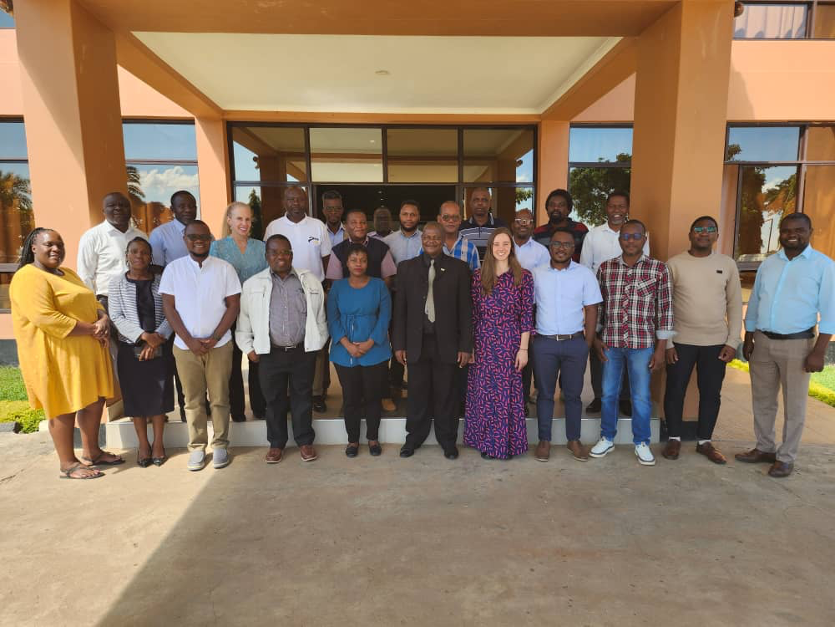
STH stakeholders participating in the workshop at Lindel Hotel, Mponela
The workshop was interactive and creative, not just presentations. Day one covered new research findings, a visioning exercise, a community photo exhibition, a SWOT analysis, and problem-solving exercises to identify root causes and priority actions. Day two included a recap, a “Stepping Stones” mapping activity, group discussions, action planning, and a review of local artists’ work for advocacy. The workshop concluded with reflections and a shared commitment to a sustainable STH programme plan and advocacy piece. At the end of the two days, participants had:
- Drafted a sustainable STH programme plan that puts communities at the centre.
- Developed an advocacy piece to communicate clearly to everyone, from policymakers to beneficiaries, what happens when mass drug distribution stops and the best ways to prevent and treat STH going forward.
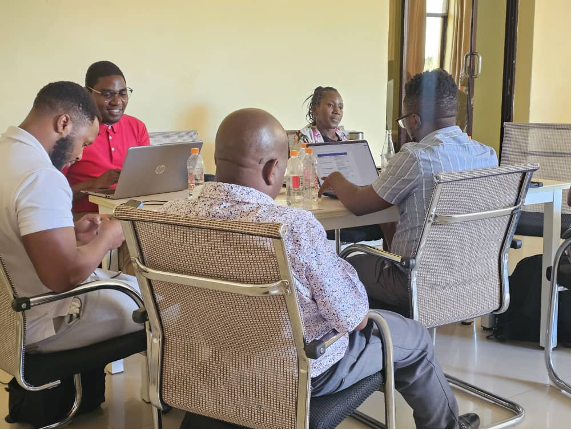
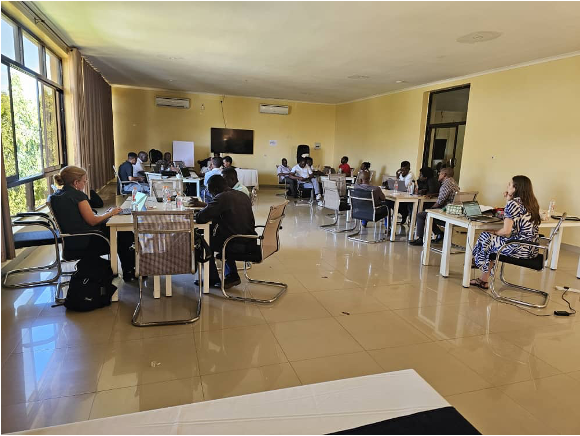
Stakeholders actively engaging in action planning for the STH programme