SPLASH to Implement a School WASH Programme in Malawi
Strengthening school water, sanitation and hygiene through Project WISE Phase II, with a focus on healthier school environments and improved learner wellbeing.
SPLASH is starting a school water, sanitation and hygiene (WASH) programme in Malawi under Project WISE Phase II. The programme will work through local implementing partners Girls Empowerment Network (GENET) in Lilongwe and Rays of Hope in Blantyre.
The programme will install solar-powered water systems that supply schools with water for drinking, handwashing, toilets and menstrual hygiene. It will also build or improve handwashing stations and toilets. Alongside these improvements, it will promote good hygiene habits through school WASH clubs, peer influencers, simple visual reminders, and collaboration with teachers and parents.
By combining improved WASH facilities with hygiene promotion, the programme aims to support healthier, more supportive school environments for learners.
WASHTED’s Research Role
London School of Hygiene and Tropical Medicine (LSHTM) and WASHTED at the Malawi University of Business and Applied Sciences (MUBAS) are SPLASH’s research partners in Malawi. Our role is to conduct an independent implementation study to measure the difference the programme makes in schools.
Learning and Collaboration in Zambia
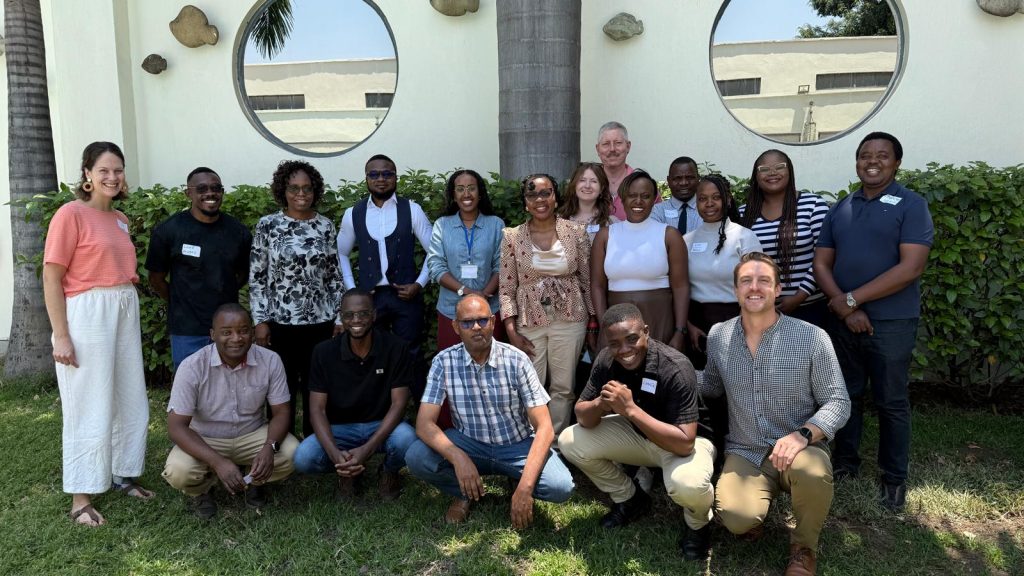
As part of this work, Dr Kondwani Chidziwisano and Kondwani Luwe joined the SPLASH learning agenda visit in Zambia. The visit brought together the SPLASH project team, implementing partners and researchers from Zambia, Kenya, Ethiopia, the UK and the USA.
Participants shared experiences and lessons from their school WASH work, including insights from the WISE study in Ethiopia. These exchanges provided an opportunity to learn across contexts and strengthen the research approach for Malawi.
Research Design and Next Steps
The meeting finalised the research design for Malawi. The study will use a controlled before-and-after design involving 18 schools in Lilongwe and Blantyre, with comparisons against matched schools that do not receive the programme.
The research will track changes in WASH-related quality of life, menstrual health, education and self-efficacy. The findings will help build evidence on the programme’s implementation and its contribution to school wellbeing.
Implementation and research activities in Malawi are expected to begin in early 2027.